




Identifying relevant usage scenarios
The first step is to define the most relevant use cases. We first explore accident records, the scientific literature and what manufacturers and automotive suppliers already offer. Drivers are also interviewed to deepen knowledge.
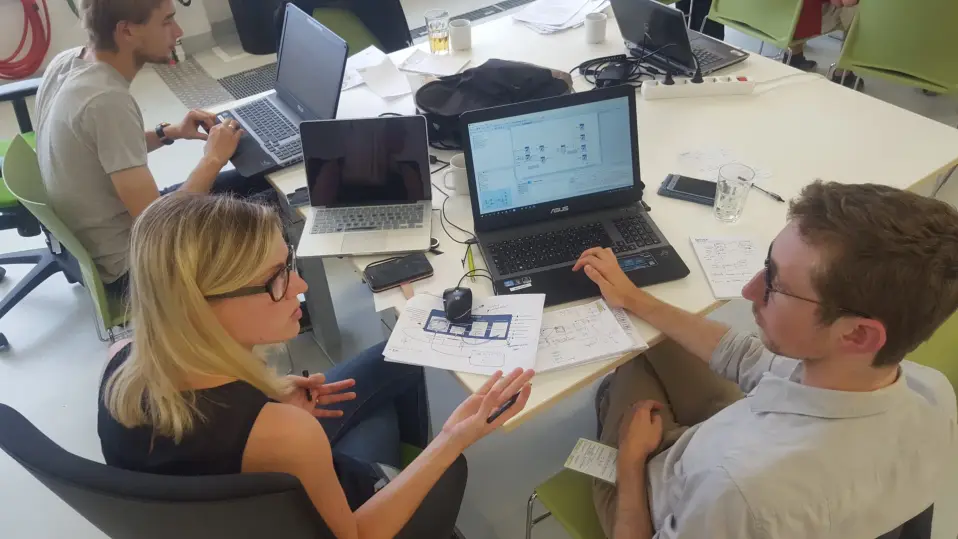
Cross-referencing the technical view (available technological solutions) and the usage view, we catalogue the situations in which an interaction between the driver and the vehicle is relevant. On this basis, storyboards are co-built in workshops. The format conveys the technical specifications and the expected interactions between the vehicle and the driver. We pay particular attention to the transition phases between autonomous mode and manual mode.

To complement this, drivers are surveyed via a questionnaire. It covers a range of dimensions around their relationship to automation and their feedback on using driver-assistance systems of all kinds. To go further, urban interviews are run to target more specific profiles, such as Tesla drivers, used to interacting with a high level of driving automation.
From a HMI standpoint, the project aims to make the most of multimodality. For each situation, an in-depth analysis of the cognitive impact of each modality is run systematically. The aim is to maximise efficiency and minimise the risk of disruption.


Multi-modal interaction and interface design for the autonomous vehicle
Once the high-value situations are identified, iterative design can begin.
To start, the typical journeys of the user types are described (driver journey). We then identify design opportunities at every step of the driver experience (before, during and after a trip). Here again, we look at what’s on the market and at best practice from the literature.
Translating opportunities into concept directions for driver-vehicle interaction tests whether the chosen modalities can add value to the driver experience. When they do, the direction is explored in more detail and then adapted for each medium: sound, display, verbal alert, LED-lighting pattern, etc.
The different prototypes are integrated on a tabletop driving station that allows for situational testing. Twelve drivers take part in test sessions aimed at surfacing the main usability problems and areas for improvement.


Evaluation on a driving simulator and integration in a real vehicle for the proof of concept
The last step, last but by no means least: bringing together the different technical components and validating the concepts as a unified whole.
The consolidated prototypes are first integrated into a driving simulator to run user tests in a controlled context. More than 30 drivers are involved in the effort. Each participant goes through driving phases with the assistance systems before assessing their acceptability, usability and the driver experience.
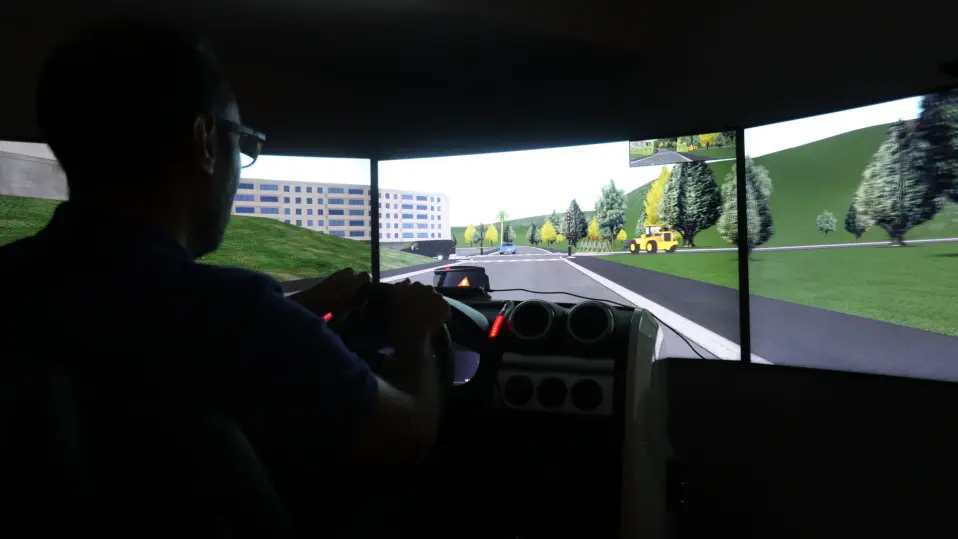
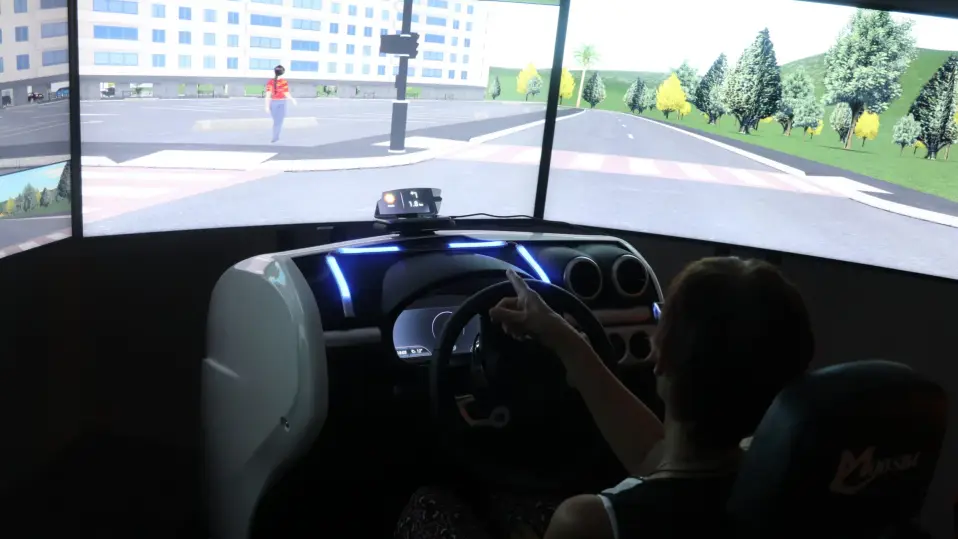
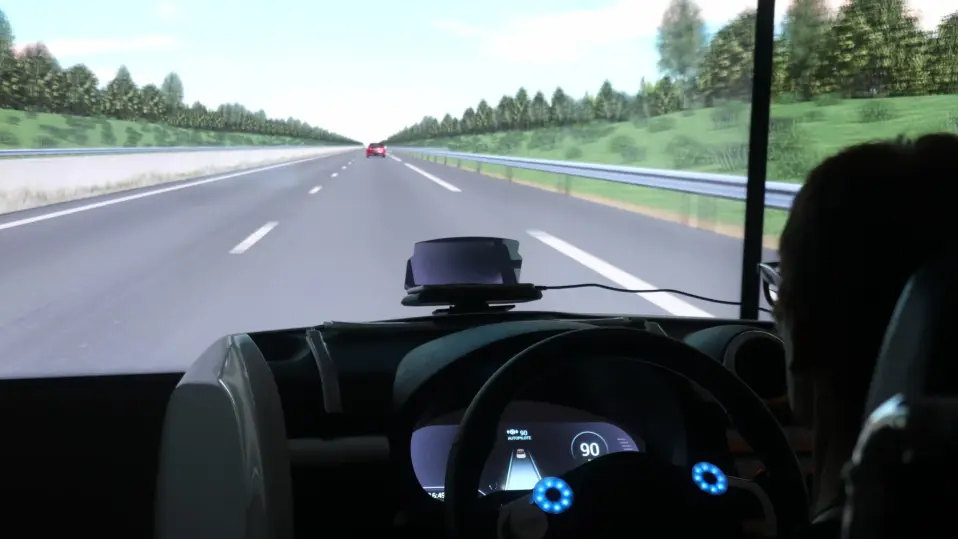
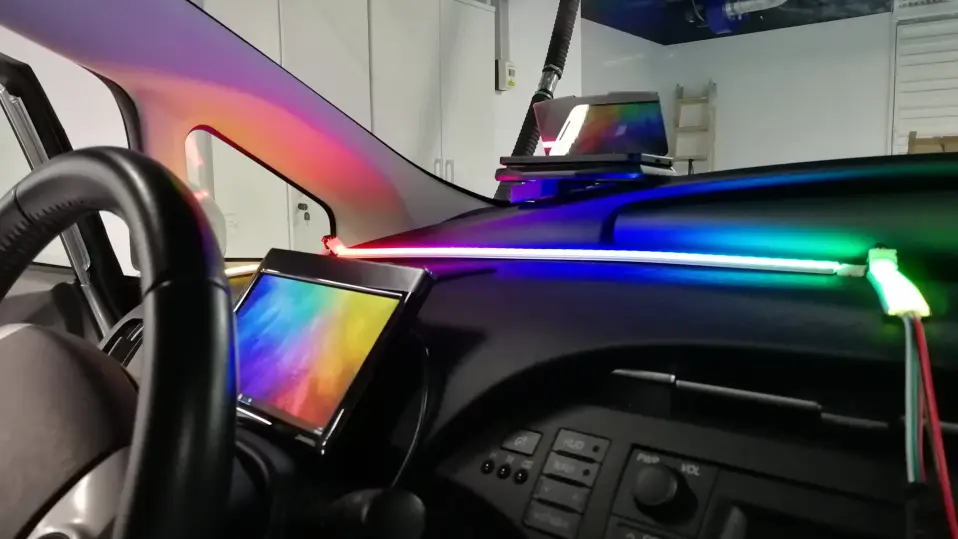
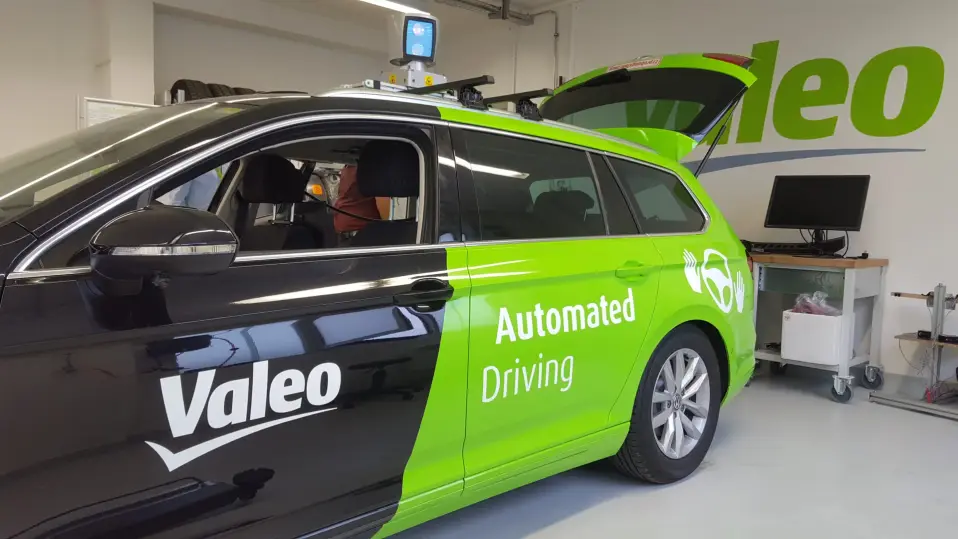
In a second step, two Toyota Prius and one Volkswagen Passat are equipped to demonstrate the concepts in real-world conditions. All the project’s outcomes were presented at the international Intelligent Transport Systems (ITS) congress in Helmond (Netherlands) in May 2019.
Good progress has been realized with the identification of principles and practical recommendations for user-centric HMI design. Effective informative/warning messages were developed. […] The project has significantly contributed to safe and effective Human-Machine Interaction and hand-over of control.