



Akiani's expertise
Selling what we do means telling you that we will listen to users to produce better products and services. True.
But day to day, our role is above all to make reality less complex: help the organization by considering the needs of all stakeholders, support complex trade-offs with an outside perspective, smooth out journeys and services by presenting the right information in the right place at the right time, then create designs that ensure form always serves function.
Let's be honest: we're not experts in your field. You are. And we're experts in ours. All the conditions are met for it to work. We'll work hand in hand to serve your vision, your knowledge and your priorities. That's how we picture a good collaboration.
We'll ask if we can meet your users. We can do without, but we may say silly things. Your users may say silly things too. But the sum is smarter than our silliness. Usually, we come out of it alive, and so do you.
Understand the need, translate usage, bring the solution to life
 →
→ 
Just because the research phase is over doesn't mean the UX researcher disappears. During the design phase, some user needs may be questioned again. The researcher is there to clarify them, put them back into perspective and act as a third party between stakeholders, so that every proposed solution addresses a real problem.
→ 
The UX designer delivers detailed low-fidelity mockups and usage documentation. The UI designer picks them up to bring the interface to life, while maintaining a constant dialogue to ensure every visual choice serves the experience that's been defined.
Collecting user knowledge is not simply a matter of holding out a microphone. It means observing, letting people speak, making the implicit explicit, and picking up weak signals. It is more about emergence than explicit expression.
The Akiani extra
Cross-reference observations, interviews and quantitative data to distinguish what people say, what they do and what really matters.
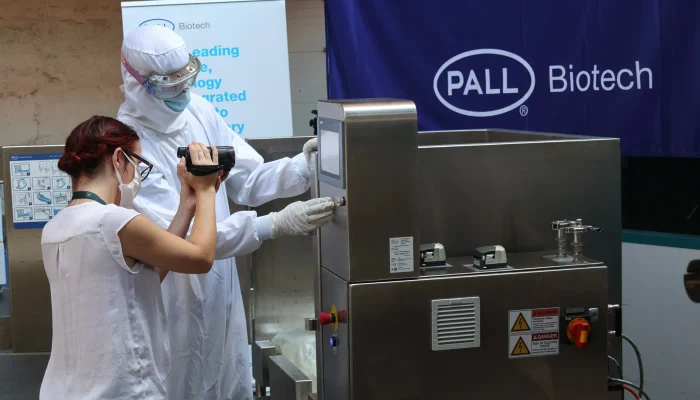
You know your users well. It's rare for UX research to uncover anything radically new. What it brings you is an outside perspective, from outside the project, that lets you re-prioritize what's urgent, what's vital, and what was really an internal projection. It shifts your point of view.
The Akiani extra
Users are on both sides of your service: those who use it and those who operate it. We don't treat one group's voice as sacred at the expense of the other. We look for a compromise that works for all stakeholders.
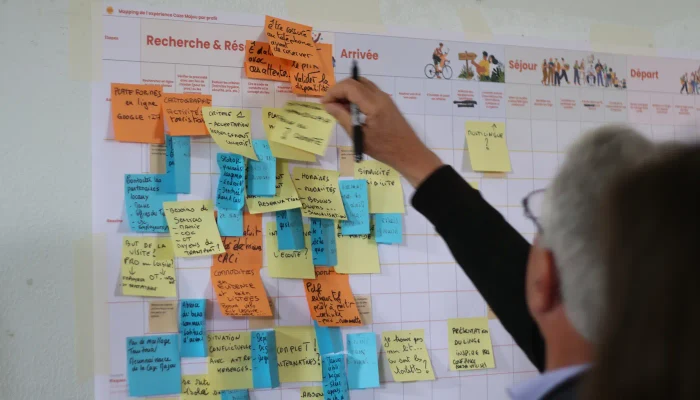
We're experts in our craft, you're experts in yours. At the start of every phase, we bring you into a co-design workshop to revisit user journeys and profiles, before diving into screen details. What we deliver is never a surprise: we sketched it together.
The Akiani extra
Bring the right stakeholders into the design process at the right time. Don't involve them too early, when it could be counterproductive, or too late, when all that's left is correction.
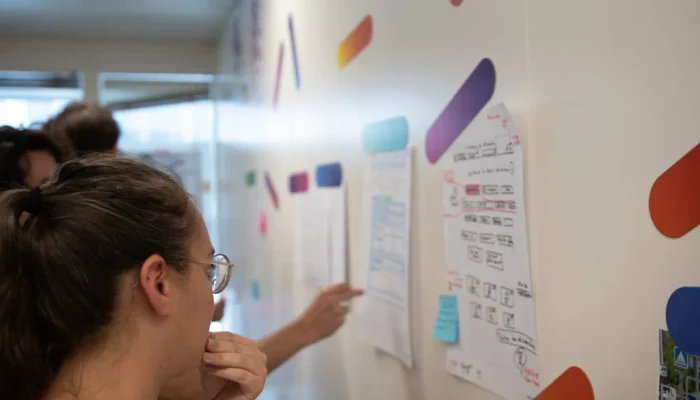
Which information needs to be where, and when. We think through the structure of the journey, then the screens. We design a first draft of the solution and test it against the needs, through user testing and iterations with the project team. We build it brick by brick.
The Akiani extra
Test with real users as soon as the first directions are ready to present. Rigorous or guerrilla tests, depending on the time and resources available. So trade-offs are not just a matter of taste and business constraints.
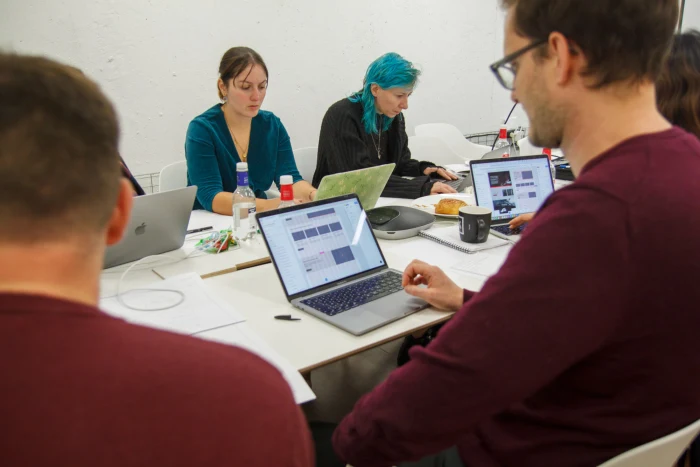
The blue will be too blue, or not blue enough, and you'll want your logo "a little bigger". You'll probably want a bit of the first creative direction mixed with the third. "Although the typeface in the second one was interesting too, wasn't it?" We turn your visual identity into creative directions. You get to see what the product looks like once everything comes together (mostly colours, typefaces and visuals).
The Akiani extra
Always compare graphic choices with usage choices. Make sure that aiming for simplicity and usability does not result in something boring and conformist. In turn, make sure that aiming for wow and sexy does not result in something inaccessible and difficult to use.
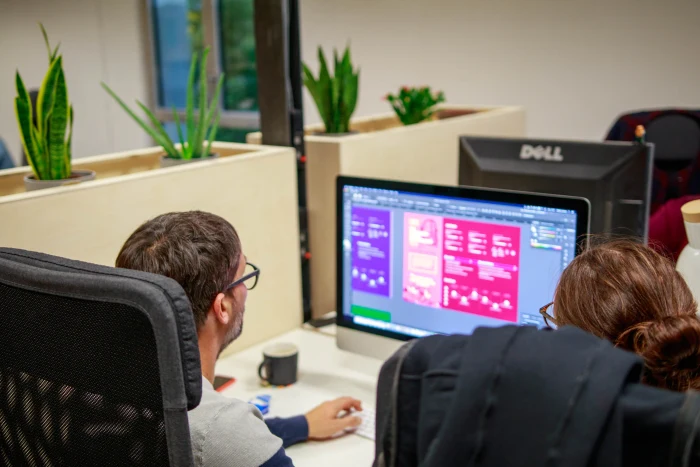
Once the low-fidelity wireframes have been turned into high-fidelity mockups, it's time to hand everything over to the technical teams. We document the versions for the different devices (desktop and mobile), the states, components, the complete design kit and sometimes the design system. The handoff documents everything: typography, interactions, dimensions and accessibility recommendations.
The Akiani extra
Think about implementation from the design stage: the team is Opquast Web Quality certified and trained in front-end development, so we know implementation constraints and speak that language.
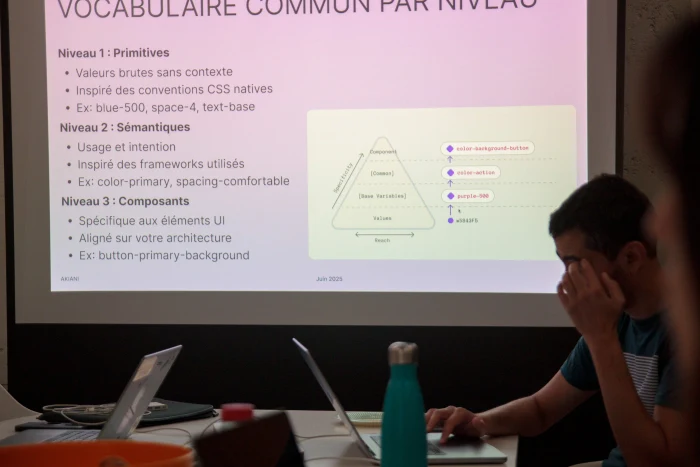
We adapt our approach to precisely match your request, while keeping our full expertise. It covers digital products and services, always considering the challenges and needs specific to each.
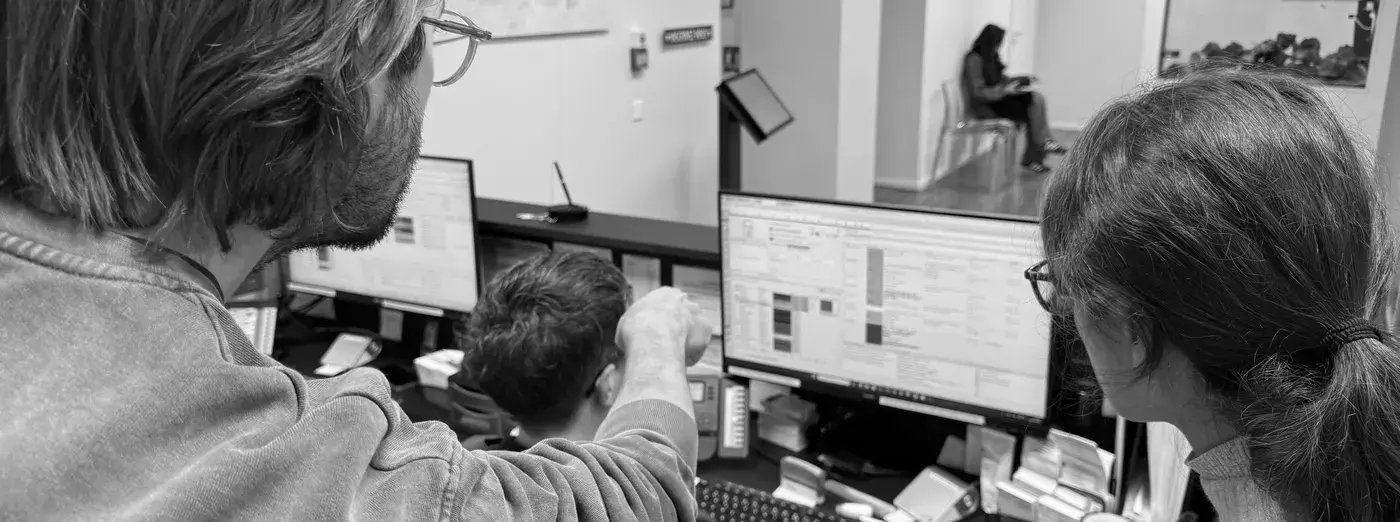
What we'll do in UX research:
Interview stakeholders and users, observe them using their current tools, identify their frustrations and the workarounds they have devised, then present all this information.
What we'll do in UX design:
Rethink business workflows, simplify complex processes and produce wireframes that can be tested with users.
What we'll do in UI design:
Adapt your graphic guidelines into creative directions, apply them to the wireframes, roll out a consistent design kit and document it for a smooth handoff.
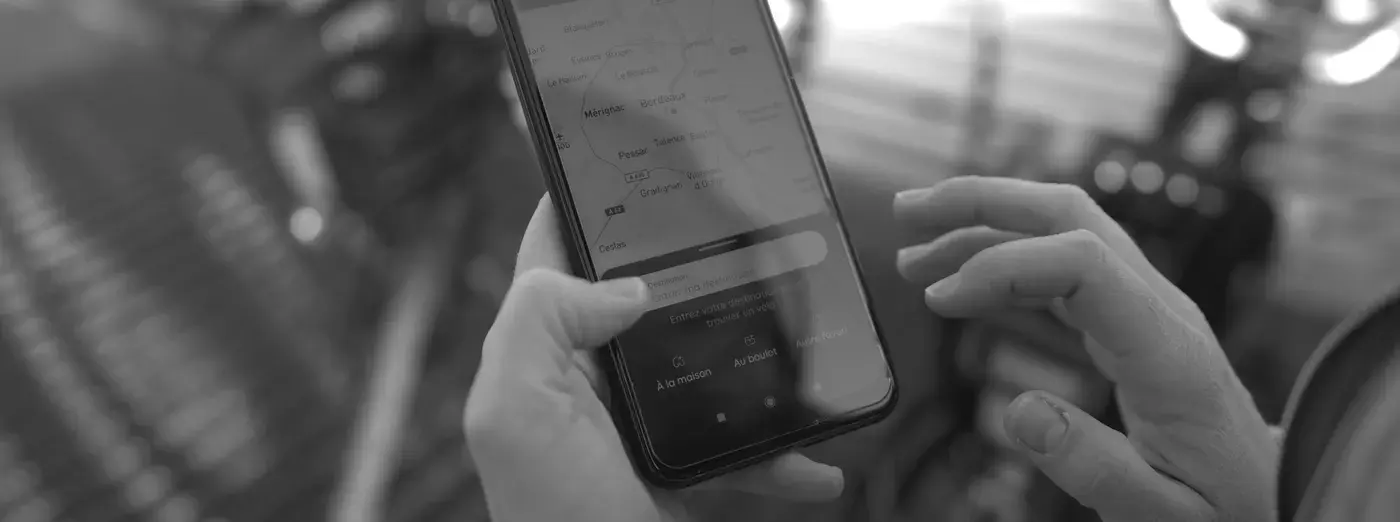
What we'll do in UX research:
Test with real users, discuss their practices and identify their contexts of use.
What we'll do in UX design:
Work on mobile journeys while accounting for usage contexts and different objectives, and design an information architecture optimized for mobile use across different smartphone models.
What we'll do in UI design:
Create a system of adaptive components designed for different screen sizes and the iOS and Android guidelines, then turn the mockups into high fidelity.
What we'll do in UX research:
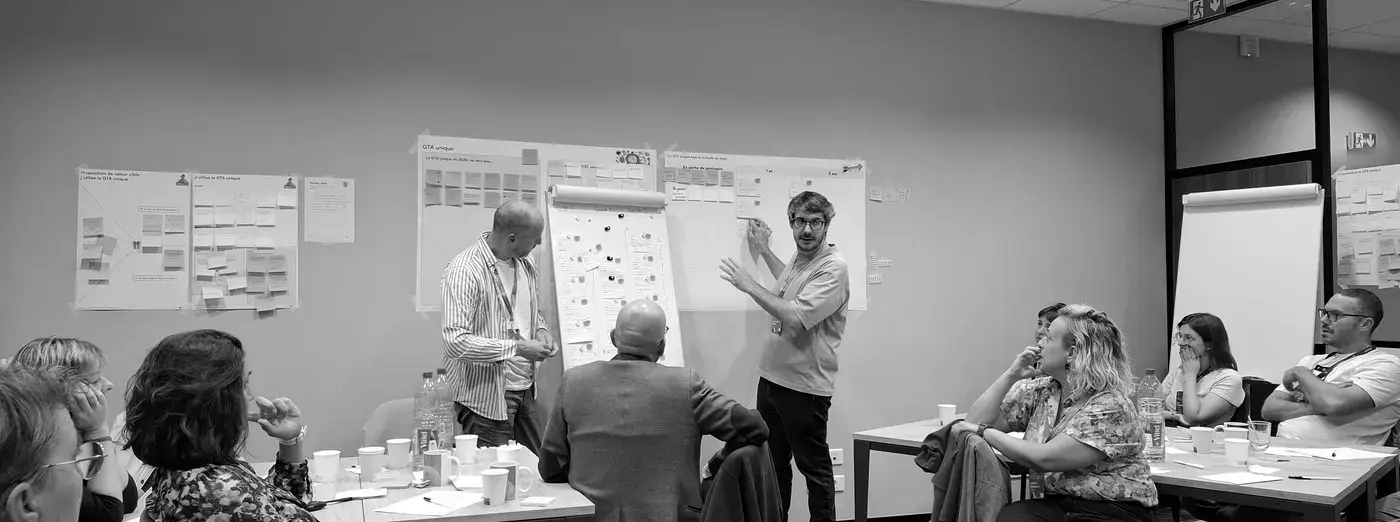
Interview stakeholders, run a problem statement workshop, map customer journeys, analyze friction points, and understand moments of truth in the customer relationship.
What we'll do in UX design:
Bring a functional perspective to strategic opportunities, and feed prioritised items into the roadmap or product backlog.
What we'll do in UI design:
Produce workshop materials to stimulate ideation sessions and materials for presenting a strategic vision.
What we'll do in UX research:
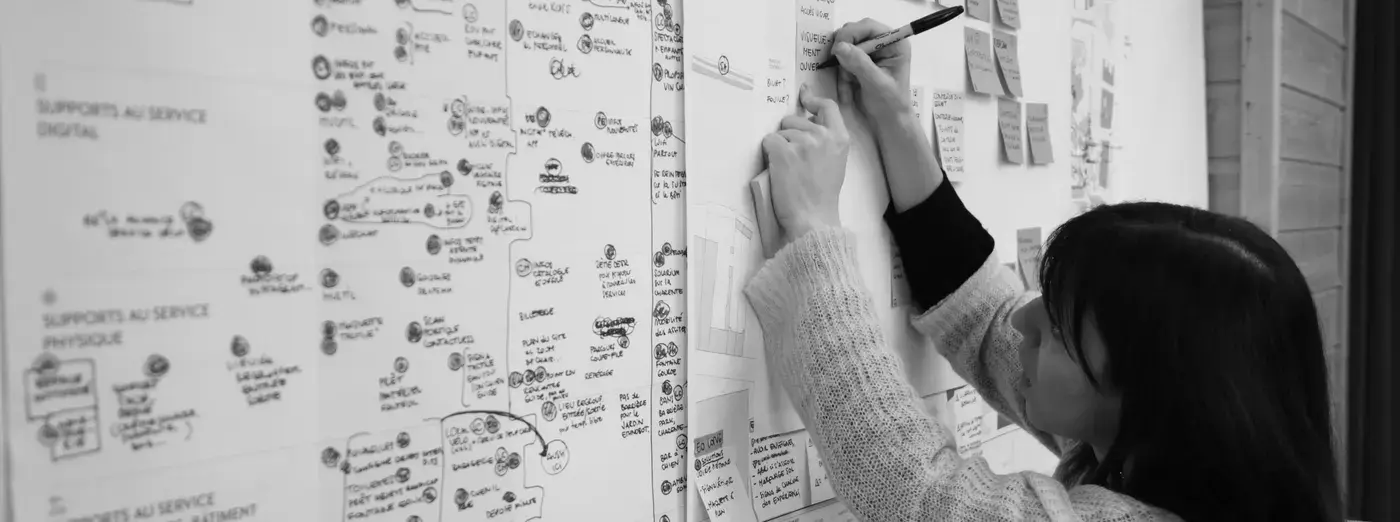
Go into the field to meet future visitors, benchmark adjacent experiences and surface needs at service scale.
What we'll do in UX design:
Shape the steps, places and flows, then model journeys at the scale of the venue.
What we'll do in UI design:
Produce workshop materials to stimulate ideation sessions and final deliverables that people will want to display, use and share.
What we'll do in UI design:
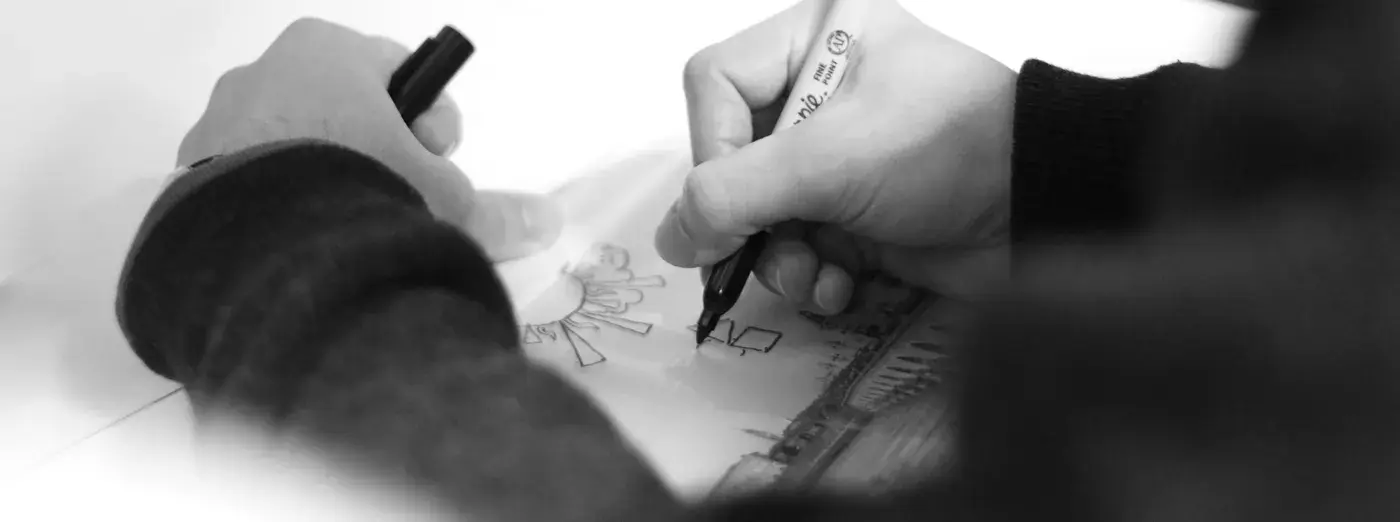
Create the complete visual system: logotype, typography, palette, iconography, components and application guidelines.
What we'll do in UX research:
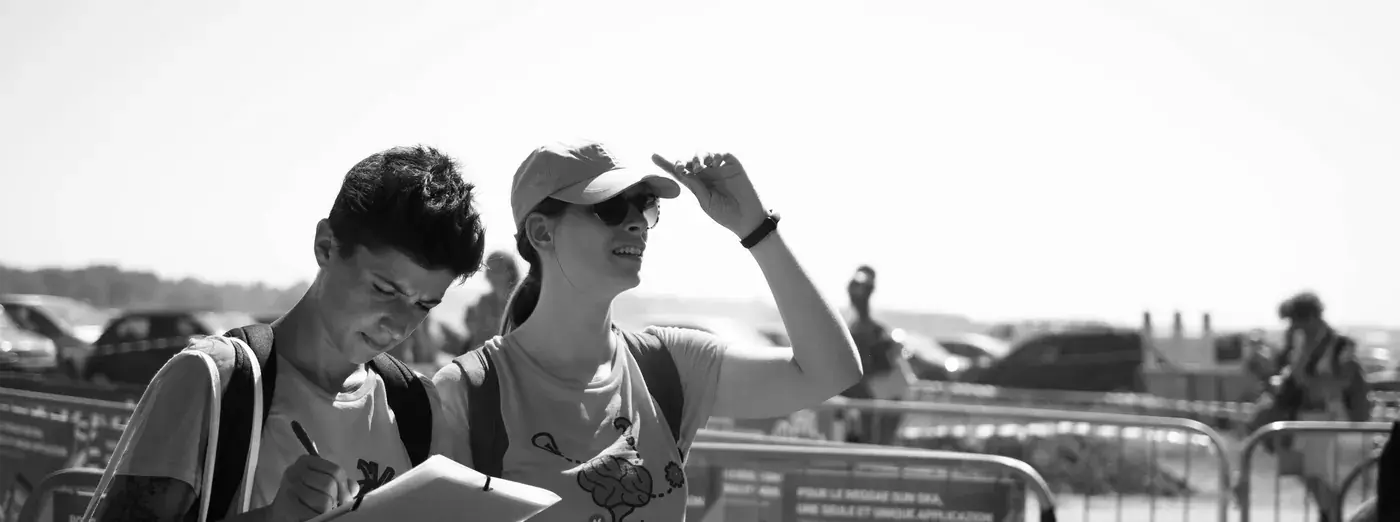
Set up observation, interview and testing protocols to develop a fine-grained understanding of your users' real behaviors.
What we'll do in UX design:
Translate the research findings into architecture, journeys and wireframes that business teams and developers can take ownership of.
What we'll do in UI design:
Design materials for presenting the results and format the deliverables.
What we'll do in UX design:
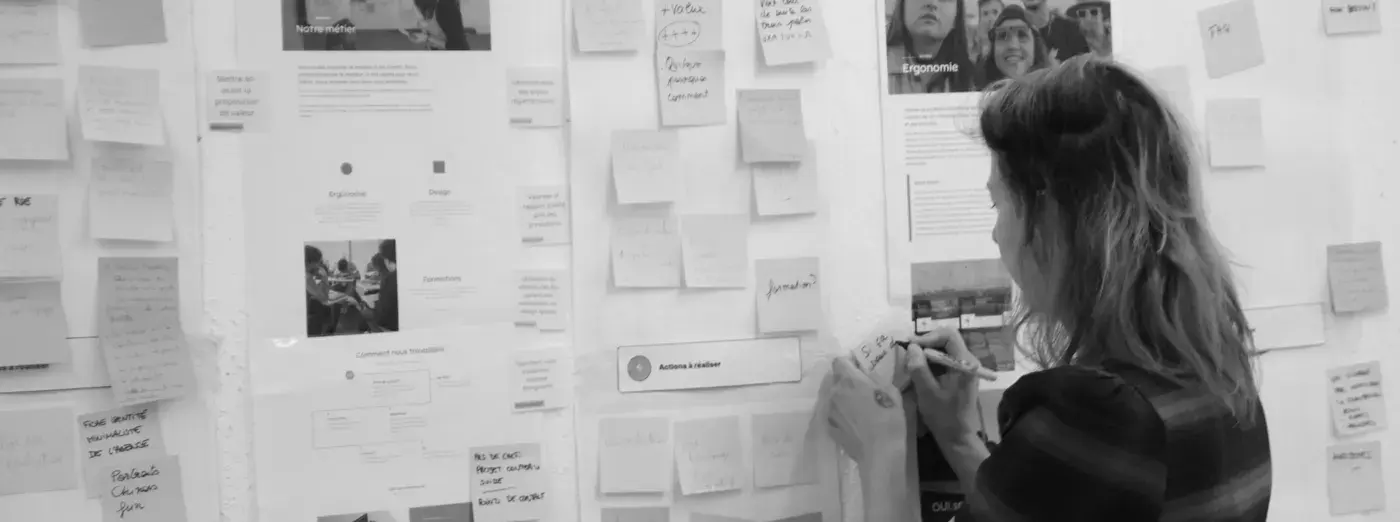
Quickly think through suitable journeys together, then "co-destroy" the first screen proposals to keep only the most relevant ideas.
What we'll do in UI design:
Design the visual universe and bring the drafts to life, making sure the form serves your identity and your message, before providing everything the teams need to develop the expected website.
What we'll do in UX research:
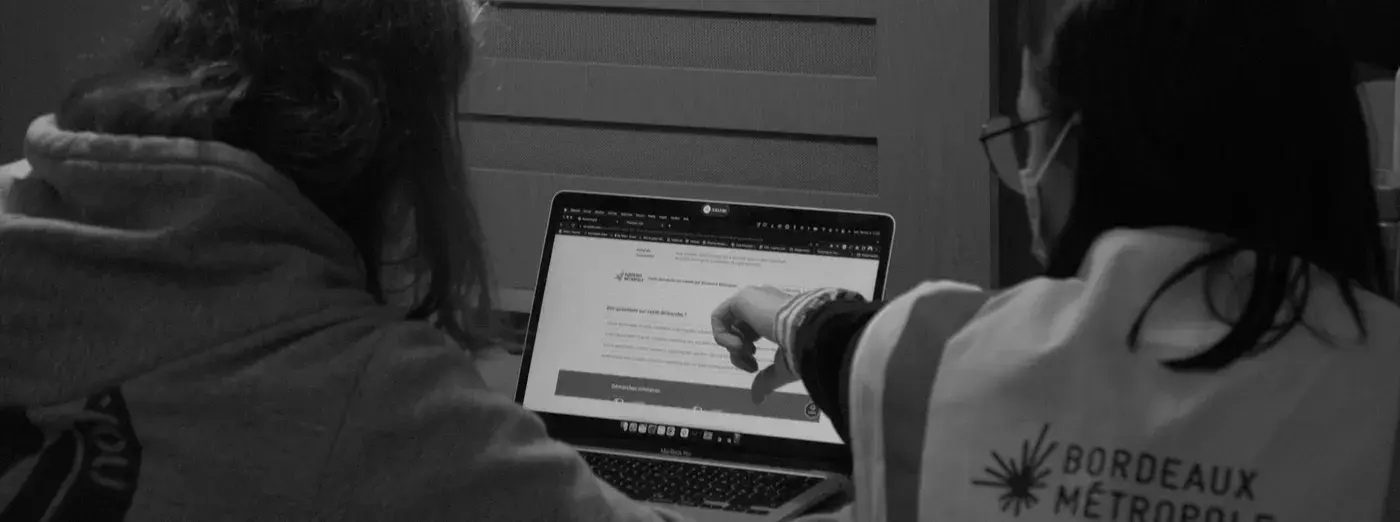
Prepare test protocols, define recruitment criteria, run user tests, and conduct the ergonomic audit and heuristic evaluation to measure ease of use and the quality of the experience.
What we'll do in UX design:
Help prioritise improvements by estimating their impact and cost, then propose concrete, actionable recommendations, either on our own or co-built with the project team.
And if all this makes you want your team to be able to do just as much, we also offer training courses (then they'll only need a few years of practice!).
See our training coursesWe're careful not to fall into meeting overload, but we do keep a few regular touchpoints.
We organize our work by placing you at the center of the process. We schedule many workshops together to maintain an iterative collaboration and let you take part in our work.
Inspired by the ethnographic and ergonomic approach, we champion fieldwork for a fine-grained understanding of your users' needs and expectations. We adapt our scientific expertise to the realities of the field: timing, cost, operational constraints.
Our approach is built on the continuous involvement of users. Whatever the phase of your project, we find the right methods to gather the expectations and needs of your future users.
Without you, we can't do much. We need your vision, your expertise and your constraints. We work hand in hand from start to finish. But if you'd rather we did everything on our own, of course we can do that too.
Rigorous and pragmatic, we push our analyses and recommendations ever further, while staying transparent about the reservations and limits of our interpretations, which we systematically put in context.
Of course, it isn't an end in itself, and the word has become terribly commonplace. But we make sure we stay at the forefront of our field, and help you do the same.
The Akiani project team adapted very quickly to the world of tunnels and its specific features, thanks to a substantial initial effort of research and familiarisation in collaboration with the road-tunnel operators. For the rest of the study, their human-factors expertise allowed us to better grasp how drivers think while driving. The team, dynamic and responsive, was able to respond to our questions and requests throughout the study and provided us with high-quality outputs.
Jérémy Breillad



We're here to listen, understand your challenges and propose the right approach.
Contact us