


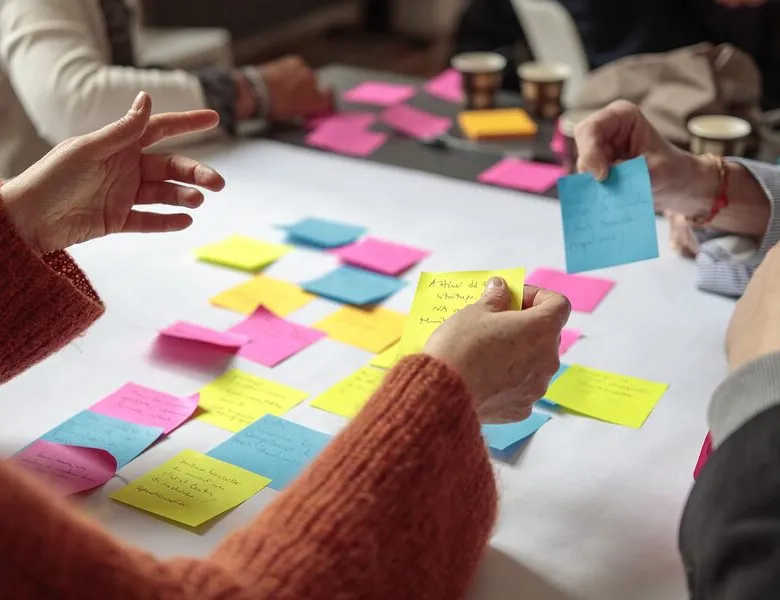


The design sprint is a short, framed format for tackling a design problem in one week. In five days, a team moves from the problem to a prototype tested with real users. Theorised by Jake Knapp with John Zeratsky and Braden Kowitz at Google Ventures, it was published in the book Sprint in 2016.
The design sprint is a format, not a method. It offers, over 5 days, an accelerated version of the steps drawn from design thinking. Spoiler alert: it's no magic recipe either!
01
Day 1: define the problems to solve, set a goal, exchange and take notes, generate How Might We questions with experts around a customer journey to pin down the target and the experience step to address
02
Day 2: competitive review and lightning presentations, individual sketching and user recruitment in parallel for Friday
03
Day 3: pick the best ideas and build a storyboard
04
Day 4: split tasks, build the prototype and prepare the user tests
05
Day 5: user testing and trend analysis, closing the sprint with an immediate debrief alongside the participants
Depending on availability or appetite, the 5 days set by the format are sometimes spread over several weeks, or even condensed into four days. A typical design sprint runs as follows:
Day 1: define the problems to solve, set a goal, exchange and take notes, generate How Might We questions with experts around a customer journey to pin down the target and the experience step to address.
Day 2: competitive review and lightning presentations, individual sketching and user recruitment in parallel for Friday.
Day 3: pick the best ideas and build a storyboard.
Day 4: split tasks, build the prototype and prepare the user tests.
Day 5: user testing and trend analysis, closing the sprint with an immediate debrief alongside the participants.
No. A topic that has not yet been framed and whose main areas of work have not been established is not suited to a sprint. The format is used to settle an already identified question, not to explore uncharted territory. You therefore need a clear problem and a defined objective before starting the week.
The group is usually kept to around ten people at most, facilitators included. The team brings together different areas of expertise, marketing, business, product, technical, design, and can call on other experts occasionally, especially during the first days, spent gathering what is known about the topic. A decider able to make the call must be part of the group.
A facilitator, responsible for the frame and the timing. Their role is not to bring ideas but to move the group forward, to balance speaking time and to hold the tight pace of each day. On a sprint at Akiani, facilitation falls to the designer in charge, often supported by a second facilitator.
A prototype tested with real users and a validated direction, not a finished product. The outcome answers the question 'should we build this, and in which direction', but the detailed design and the development still have to be done afterwards. It is a solid starting point, not a deliverable ready to put online.
Design thinking is an overall approach to problem solving centred on the user, with no fixed duration. The design sprint is a condensed, timed application of it, a five-day format that takes up its main principles to reach a tested decision quickly. One is a design philosophy, the other an operational sequence.
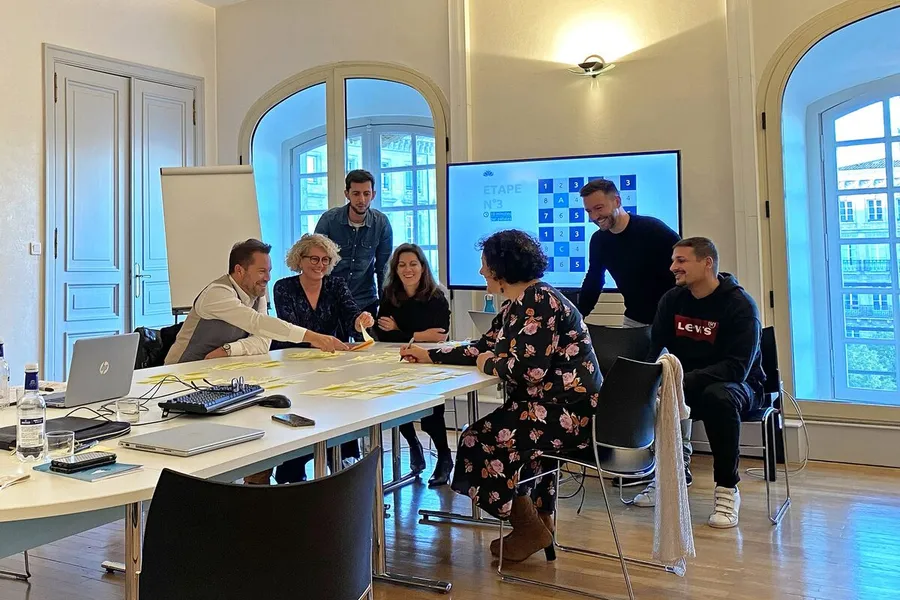
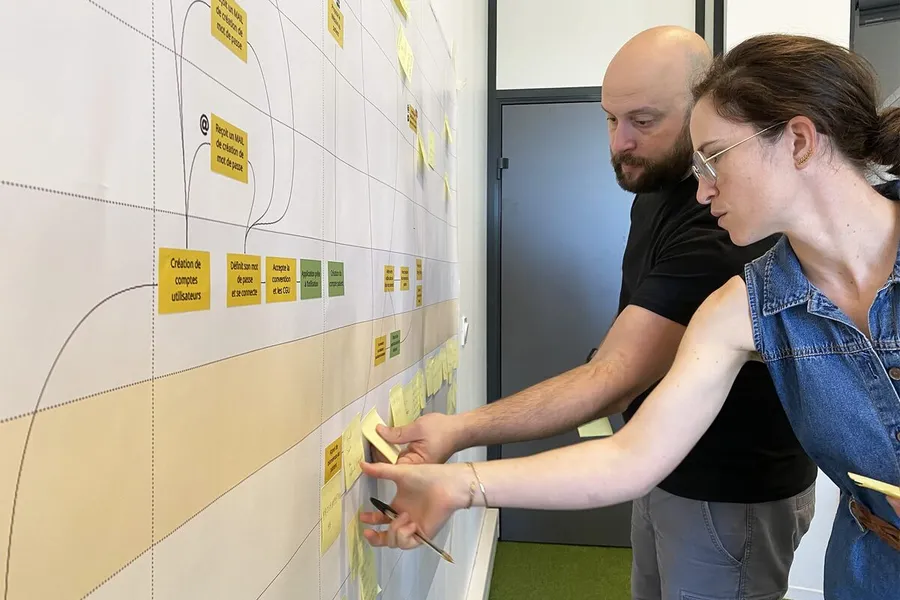
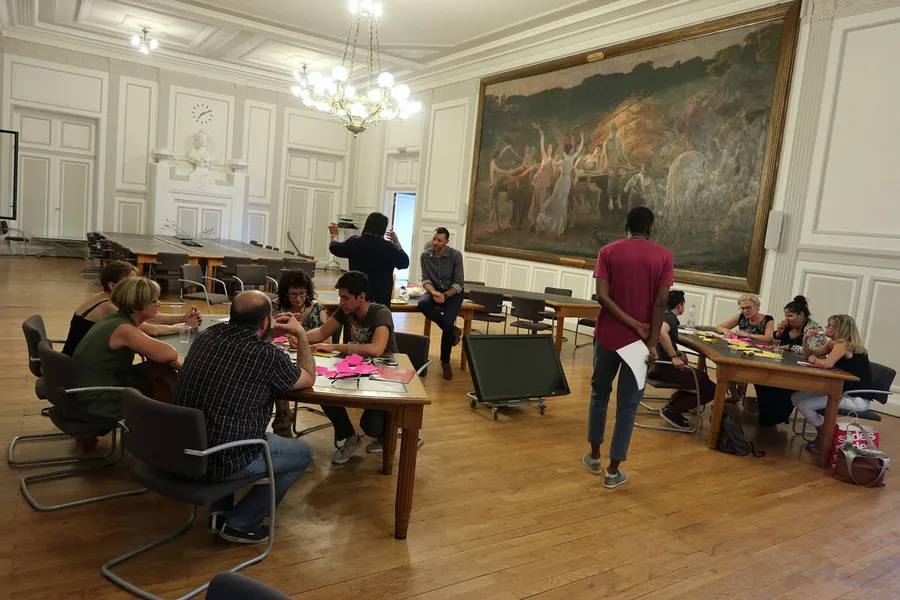
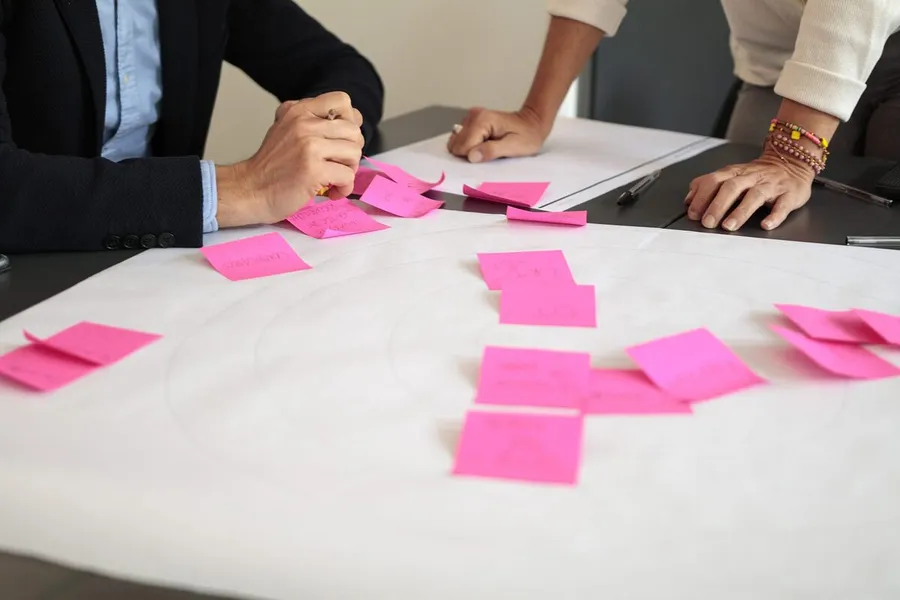
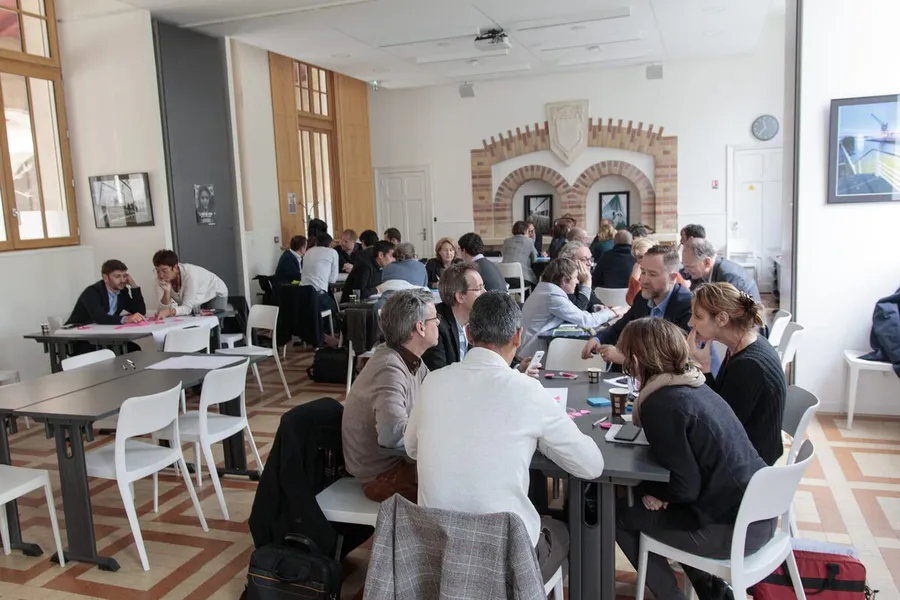
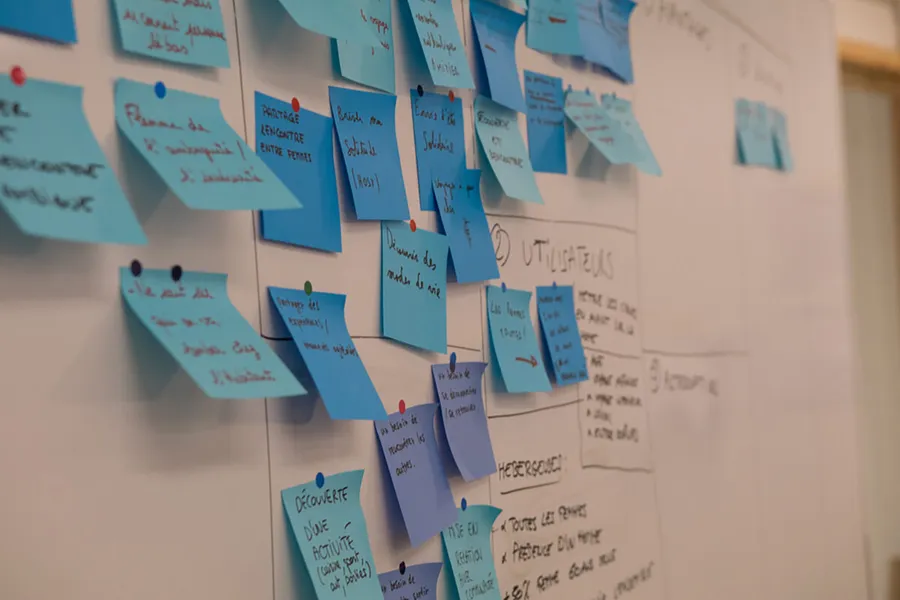
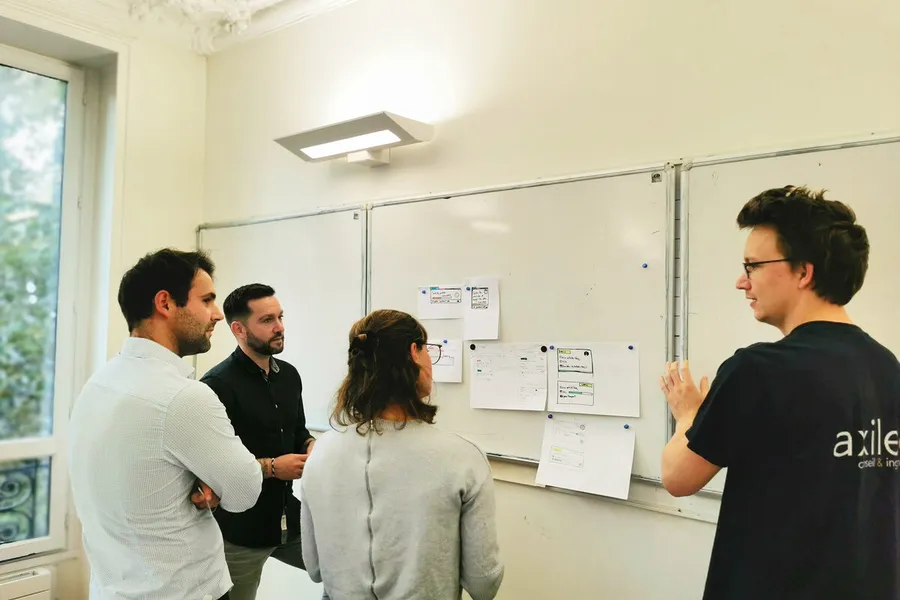
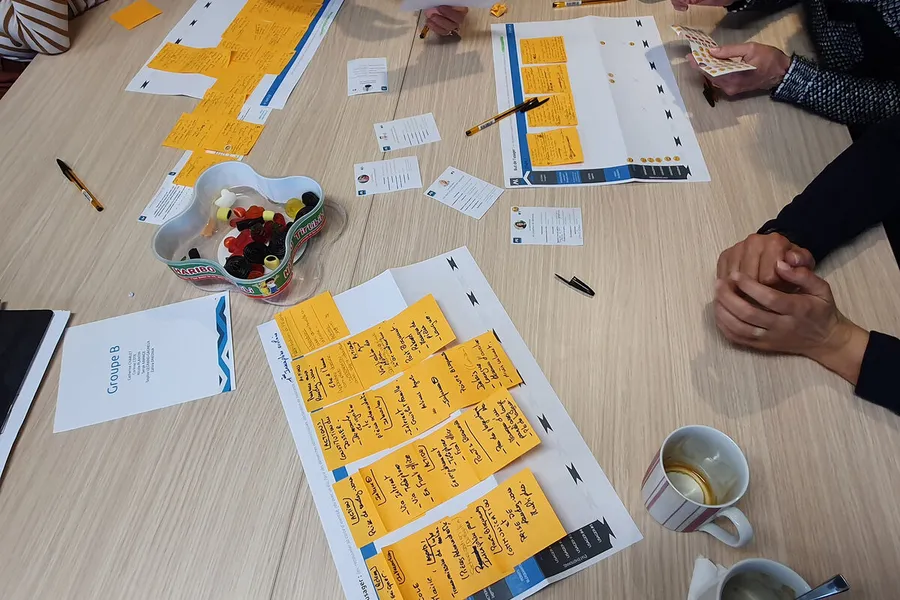




Drawing on collective intelligence, these workshops align stakeholders and surface solutions with the team and/or the end users.
Read more about Co-designMore or less advanced animation of the screens to present a dynamic journey to users and gather feedback.
Read more about PrototypeUser testing has target users assess the usability of your product or service. Depending on the goals, several approaches exist.
Read more about User testingA storyboard illustrates a usage scenario in context. It is a UX tool for exploring a service idea or specifying the sequence of interactions.
Read more about StoryboardAn innovation-management method built on 5 pillars that make for a useful thinking framework. A heads-up: it's no magic recipe.
Read more about Design thinkingSketching is a technique for creating interfaces as drawings, most often by hand. It is often used in co-design workshops.
Read more about SketchingEveryone talks about user experience, service design, ergonomics...
It's not always clear, and you'd like to find out, or sharpen what you already know.