





Eco-design is a new way of shaping interfaces. Sustainable design brings a wider view of the life cycle of the product or service you're offering, with a focus on energy impact. It's no longer a secret: digital pollutes. Energy-hungry servers, digital hardware tossed and replaced too often, video and streaming on a steep rise, and so on. The eco-design approach aims to reduce the digital impact of your site or service. Several routes are open to limit the impact or to make the website as "green" as possible.
Here is a non-exhaustive list of elements you can change or include:
01
Limit heavy content
Avoid carousels or sliders (or use them sparingly). Avoid videos as much as possible, and ban autoplay. Avoid infinite scroll, which is very resource-hungry.
02
Optimise visuals
Reuse the same images across the site as much as possible, to avoid overloading the server with too many visuals. Limit the use of photos by favouring icons; the .svg format is far lighter.
03
Design lightweight, responsive interfaces
Build mobile-friendly, responsive interfaces. Avoid autocomplete in text fields. Limit plugins and third-party services (and if you need to include any, offer users an on/off toggle).
04
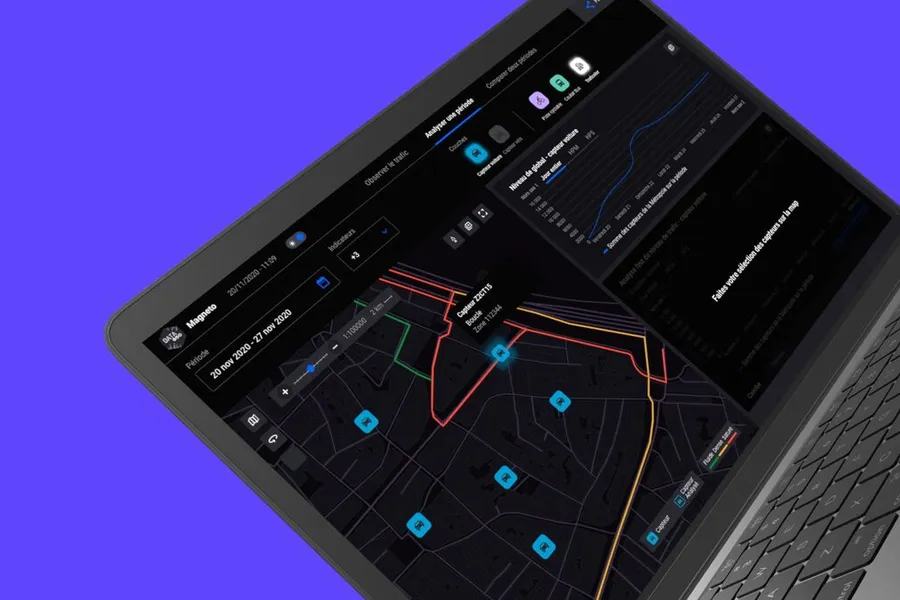
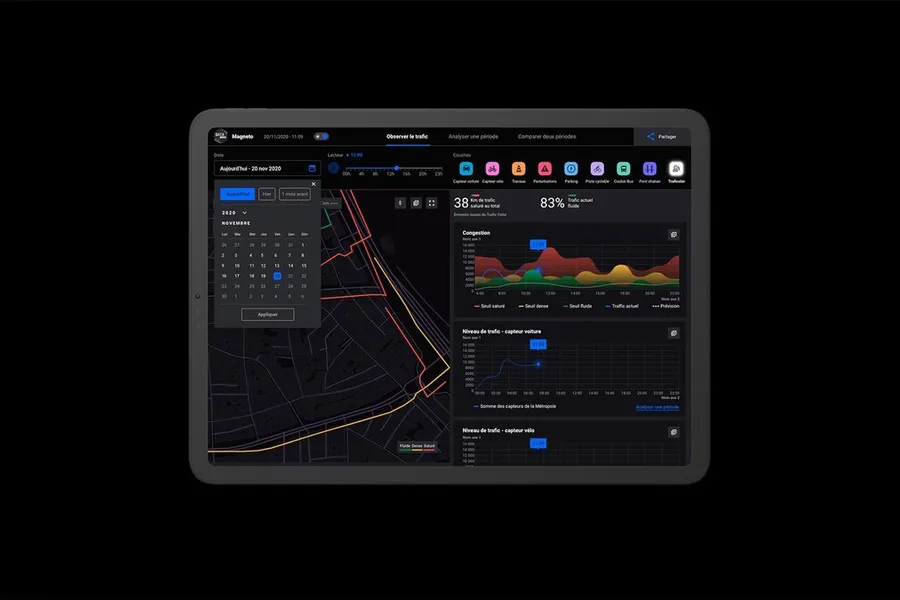
Eco-friendly dark mode
Don't use absolute black #000000, which is very energy-hungry; favour a dark grey instead.
Committing to digital sobriety leads you to weigh complementary aspects of your products and services. You can go deeper on the topic by reading our blog article on digital eco-design and by downloading our eco-design checklist.
They are two distinct standards, the RGESN for eco-design and the RGAA (derived from the WCAG) for accessibility, with neither one following from the other. They do reinforce each other in practice. Lightening an interface, structuring content, cutting back what is not essential improves both sobriety and accessibility. The two subjects are also often requested together in public procurement, and are better handled side by side from the design stage onwards.
The 2021 REEN law (reducing the environmental footprint of digital technology) introduced obligations for public administrations and audiovisual communication services. The RGESN was created by Arcep and Arcom under that law, together with ADEME, DINUM, Inria and the CNIL, to support the approach. In the private sector, eco-design remains voluntary, but the CSR requirements of large groups and the criteria of calls for tender impose it more and more.
Performance measures the perceived speed of a page; eco-design aims to reduce its footprint across the whole life cycle. The two often overlap, since a lighter page loads faster, but not always. A service can display quickly by drawing on more servers, which improves performance without reducing impact. A good performance score therefore does not amount to compliance with an eco-design approach, and the reverse holds too.
Not necessarily. Designing for the small screen first forces you to prioritise and to get to the essentials, which serves sobriety. But the method does not suit every project: rich content poorly transposed to mobile scatters more than it lightens, and the trade-off depends on the service and on its actual uses. What matters is not the method used but the result, a short journey and controlled resources whatever the screen.
The RGESN sets objectives about the means employed, not about the results obtained: applying the approach does not on its own guarantee a reduced impact. Part of that impact is also played out beyond the scope of design, in the code, the hosting or the content added after going live. Finally, a lighter and more pleasant service may be used more, which cancels out part of the gain. Eco-design reduces the footprint of a service; it does not cancel it out.

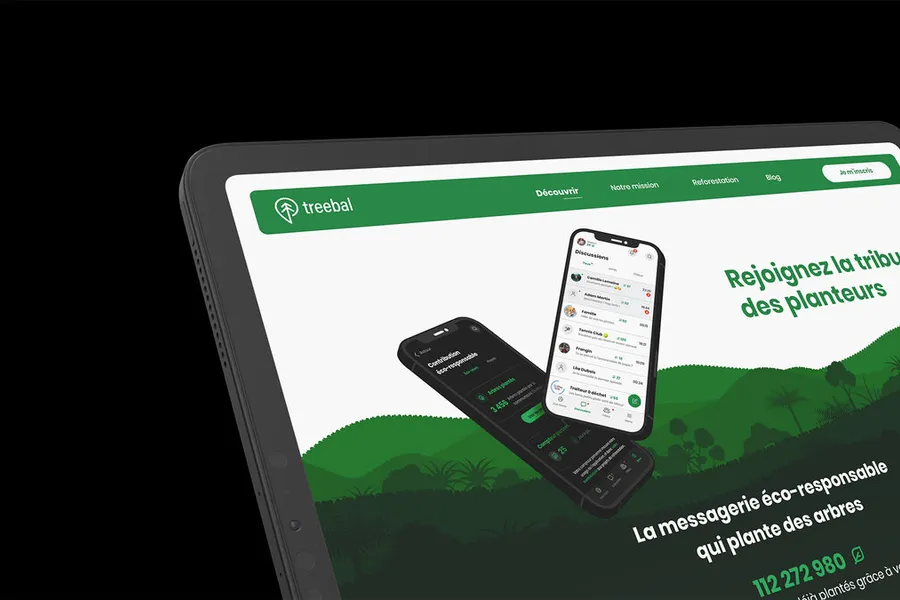
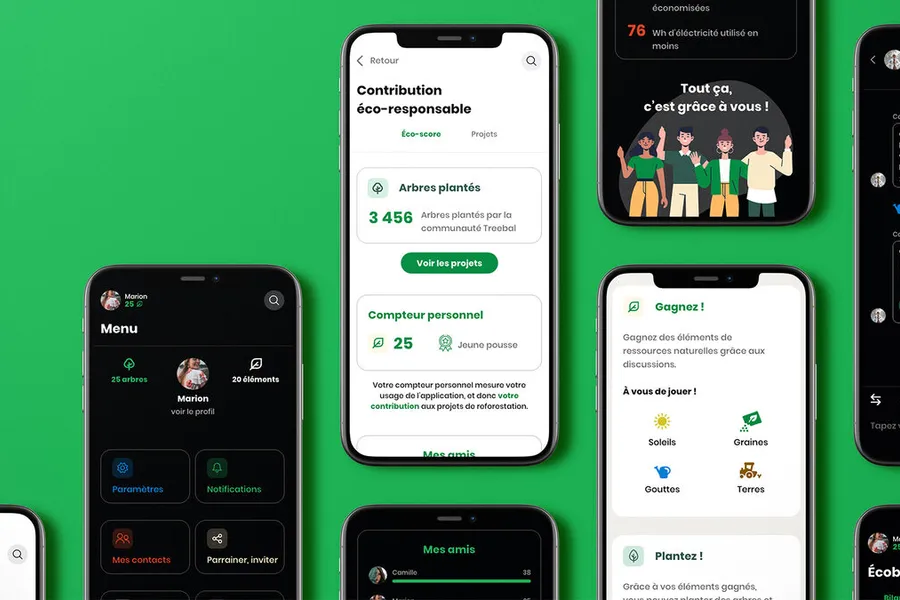

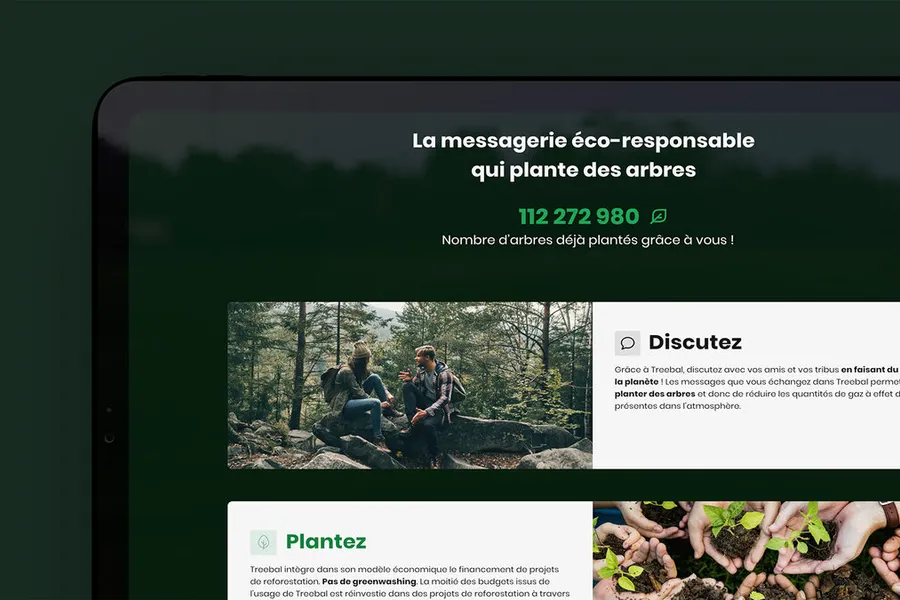
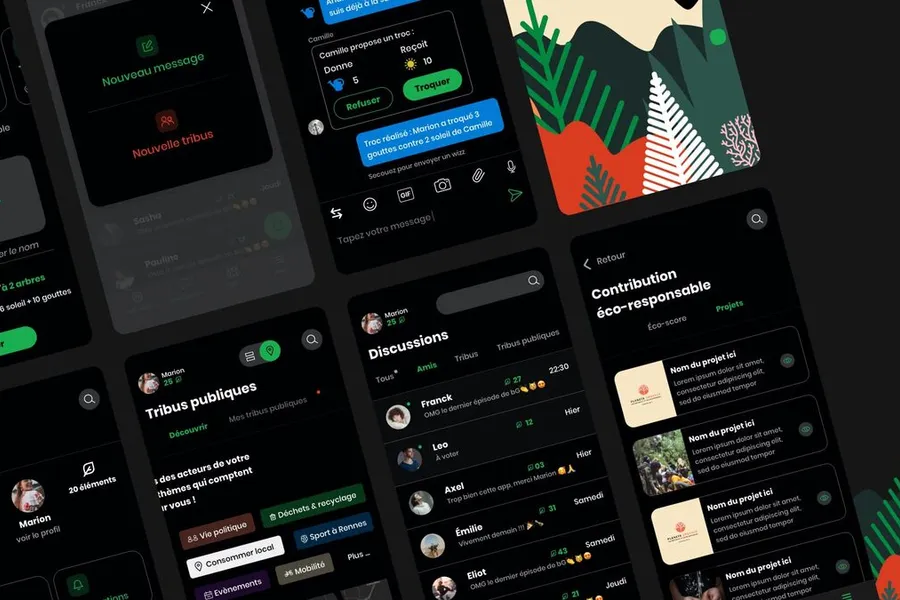


High-fidelity mockups give the future screens their final form, to hand over to the project teams for integration.
Read more about High-fidelity mockupsThe first element your users perceive, the visual identity conveys your industry and makes you easily identifiable.
Read more about Visual identityA mockup with no graphic elements, describing the zones and essential components an interface should contain.
Read more about WireframeThe RGESN sets out eco-design criteria for digital services and serves as a reference for players in the sector.
Read more about RGESNOpquast gathers 245 web quality rules: accessibility, SEO, performance, security. Its standard and its certification give structure to practices.
Read more about OpquastDigital accessibility makes products usable by everyone. In the digital field, the RGAA is the reference on the matter.
Read more about Digital accessibilityEthical design factors in the impact on users from the design stage. It stands against dark patterns and raises the question of the designer's responsibility for their choices
Read more about Ethical designA design system is a component library and the governance that comes with it. What sets it apart from a design kit, and when it becomes necessary.
Read more about Design systemA design pattern is a proven solution to a recurring problem: breadcrumb, modal, accordion. These conventions exist because they work for users.
Read more about Design patternExperience design (UX design) shapes what the user encounters beyond the interface: journeys, emotions, contexts.
Read more about Experience designThe user journey breaks a process down into steps to surface user needs and expectations for a given goal.
Read more about User journeyUsability measures whether a product lets its users reach their goals with effectiveness, efficiency and satisfaction, as defined by the ISO 9241-11 standard. An essential component of UX.
Read more about UsabilityEveryone talks about user experience, service design, ergonomics...
It's not always clear, and you'd like to find out, or sharpen what you already know.