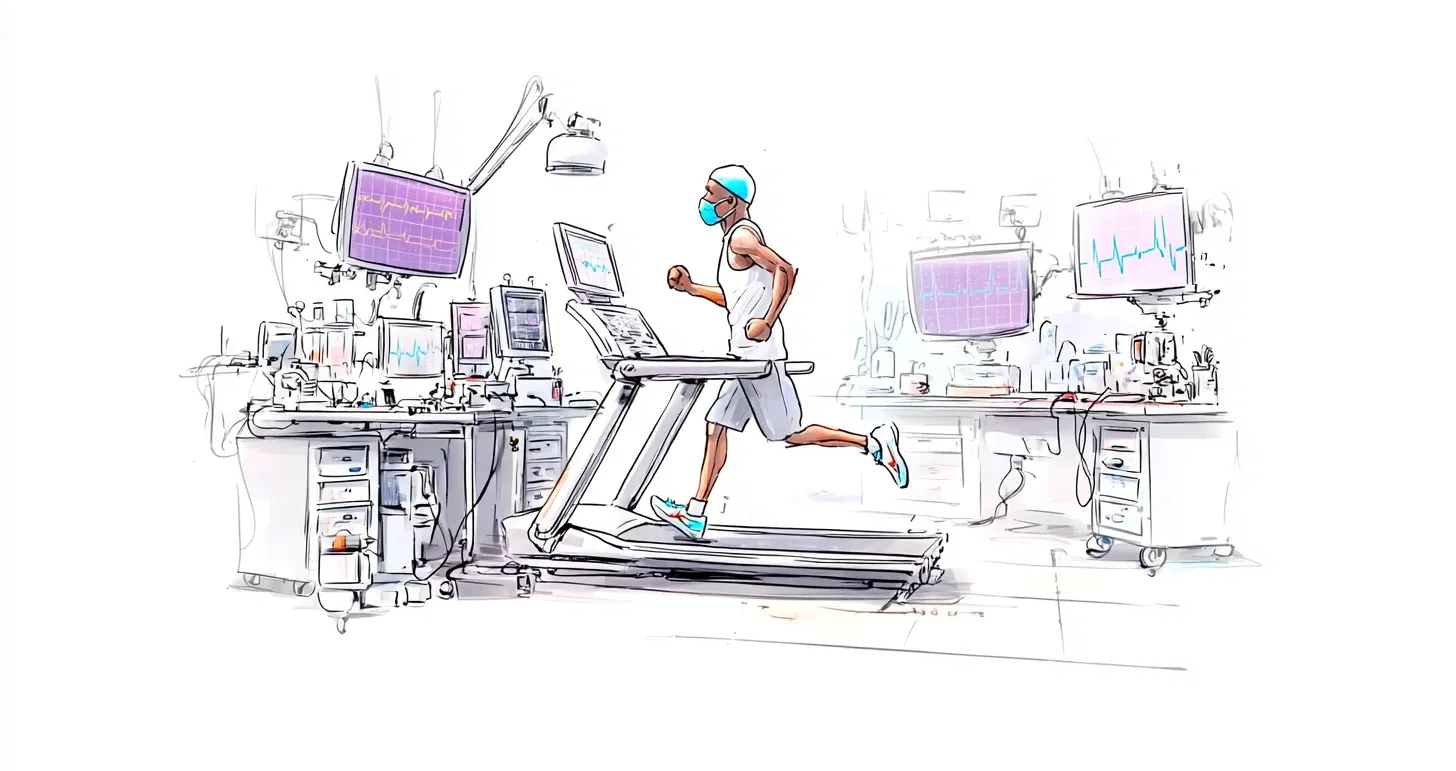
Which physiological measurements are we talking about?
There are plenty of physiological measurements for assessing cognitive load, some more invasive, costly and cumbersome to set up than others. Here we’ll focus on the ones that are fairly easy to capture and process to gauge a subject’s cognitive state.
Cardiac measurements
Heart rate (HR) has been shown to be a good measure of attention, both short and long term (Papillo & Shapiro, 1990). Many studies have pointed out that HR rises as the subject’s workload goes up (Hankins & Wilson, 1998; Veltman & Gaillard, 1996; Wilson, 1993).
You can measure the blood pulse, for instance, or the muscular activity of the heart.
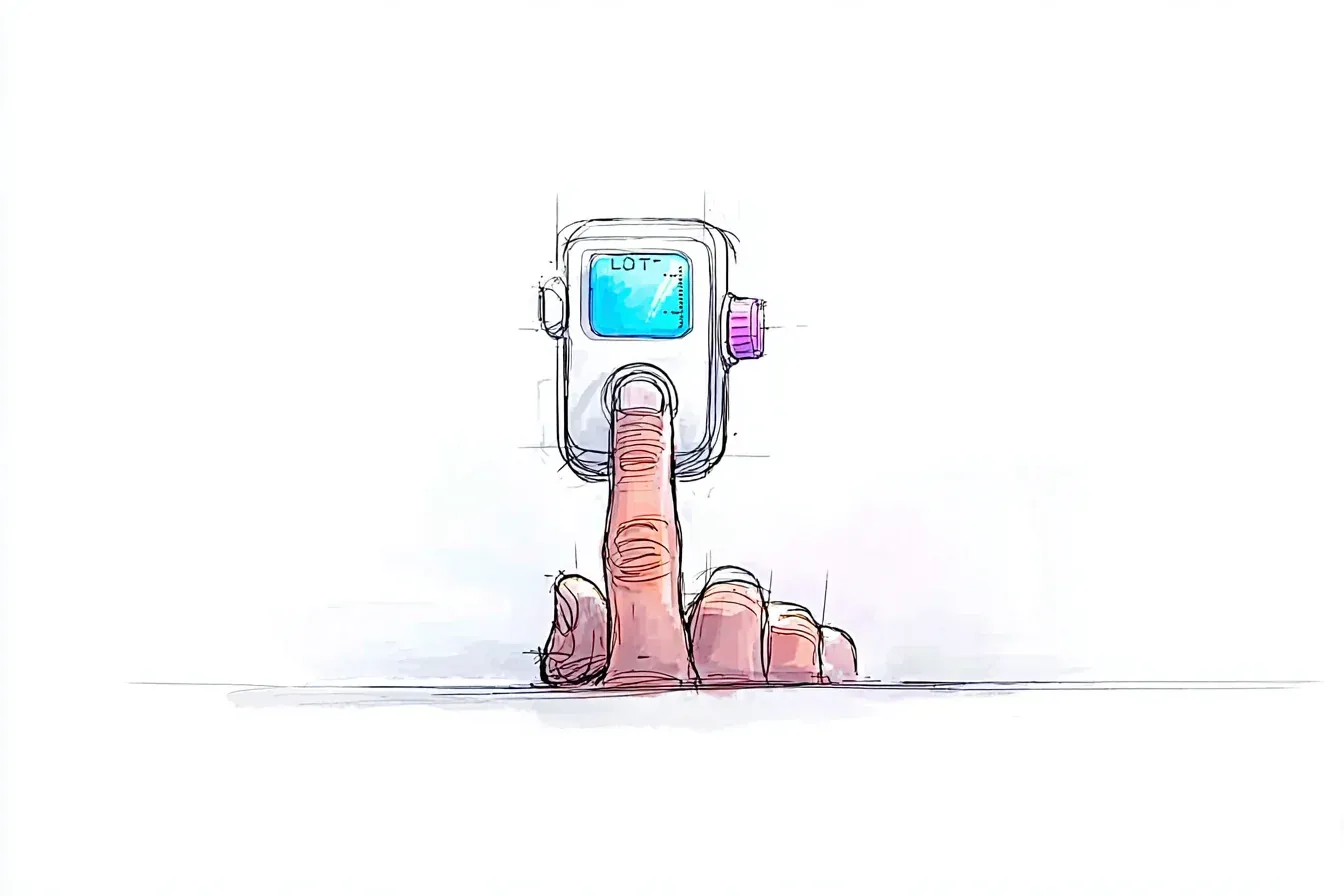
Example of a heart rate transmitter: the Polar sensor (opens in new window)
Ocular measurements
Where we look says a lot about our intentions and what we’re paying attention to (Toet, 2006). Eye tracking is a well-established way of measuring attention, and the technology has come a long way. An estimated 80% of the information an operator takes in comes through the visual channel (Pulat, 1992). So counting how often an operator’s eyes settle on something during an activity can tell you how much information they’re gathering to carry out a task. That makes it a good indicator of cognitive load.
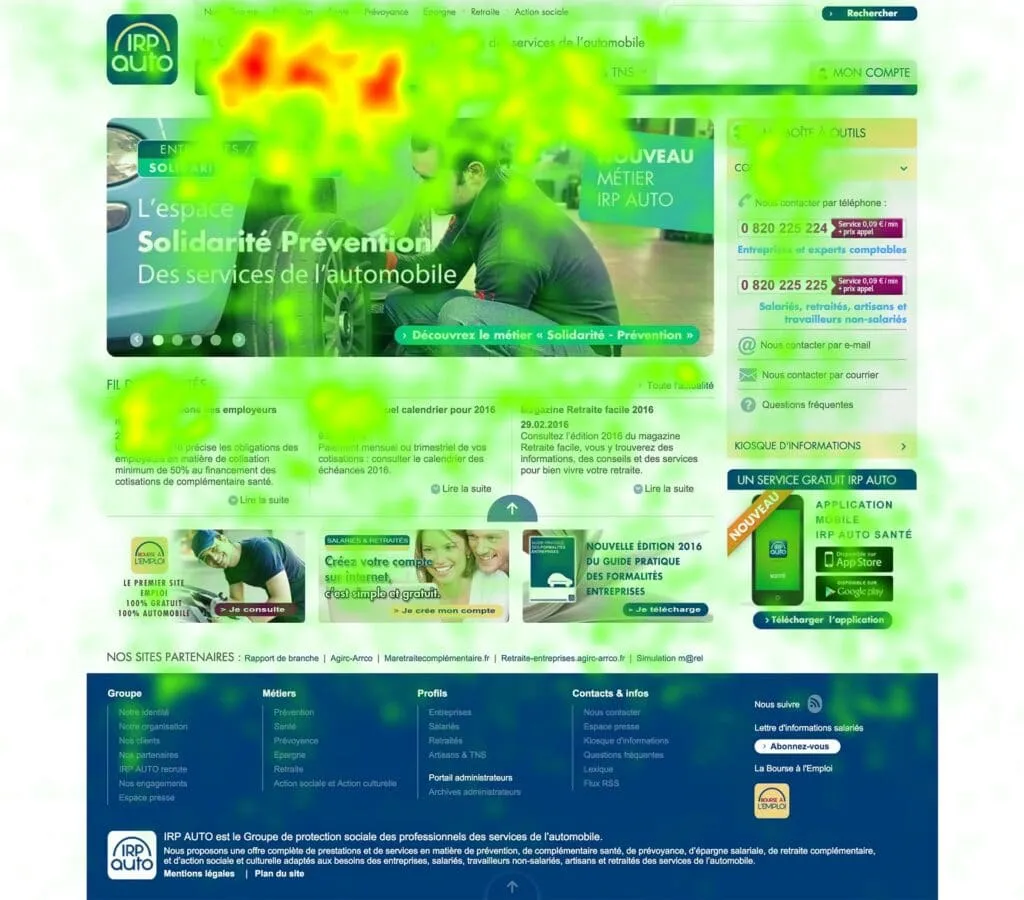
Akiani has run several eye tracking studies across its projects. If the topic interests you, we’ve written a few articles about it. You can also discover our project with SNCF on wayfinding with eye tracking.
Electrodermal measurements
An emotional state can trigger perspiration, an electrodermal reaction, so when a subject’s emotional state shifts, the conductance of their skin shifts too. This is the galvanic skin response_ (GSR)._
Conclusion on physiological measurements
Backing up the level of cognitive load, the degree of immersion, or the emotional state at a precise moment of use can be essential when you’re validating a product. Alongside subjective questionnaires that capture how the user felt overall, physiological measurements round out the data and lend weight to the findings. They let you assess what the subject feels and how their mind is working at a precise moment, and help settle whether or not the interface needs reworking.
What usually holds these methods back is the cost of the equipment and the need for the skills to process the data. Happily, the techniques have come a long way and prices keep getting more affordable, which is bringing more and more companies on board. What about you? What do you think about using physiological measurements in your next projects? To dig deeper, take a look at our approach to ergonomic UX audits and how we used physiological measurements to improve the performance of esports players.
Some of the illustrations in this article were generated by AI (see our AI use statement).