


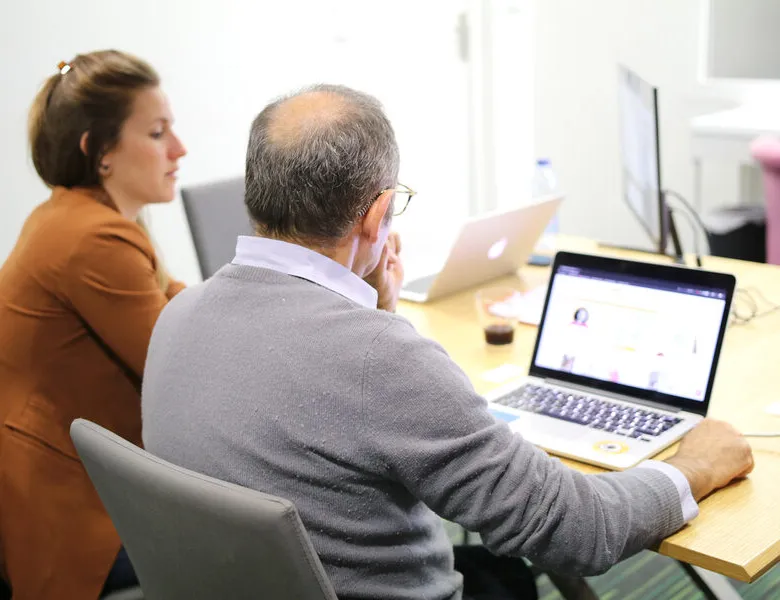


User testing is a common assessment method in UX work. The session, run by a UX specialist, aims to measure the usability of a product or service and to identify the problems users run into (minor or major).
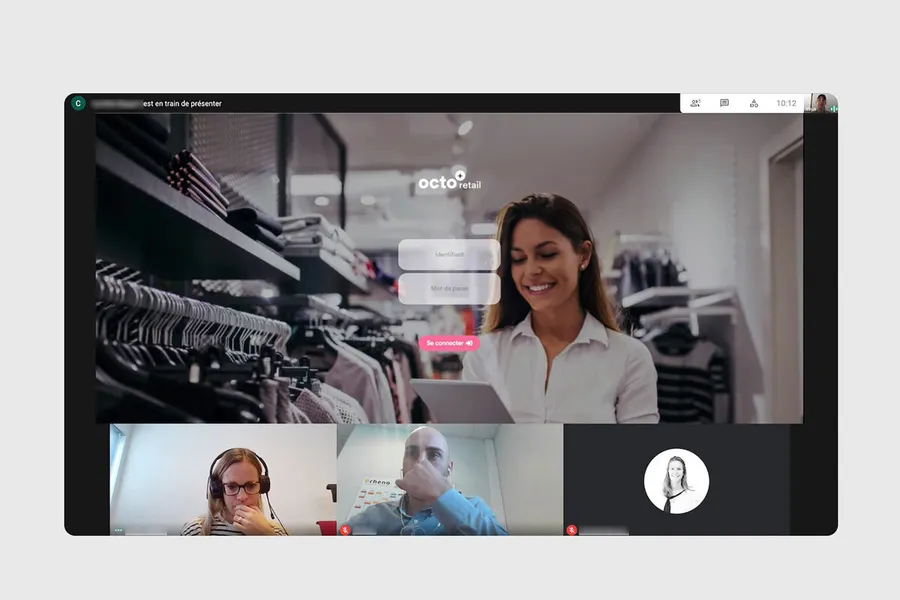
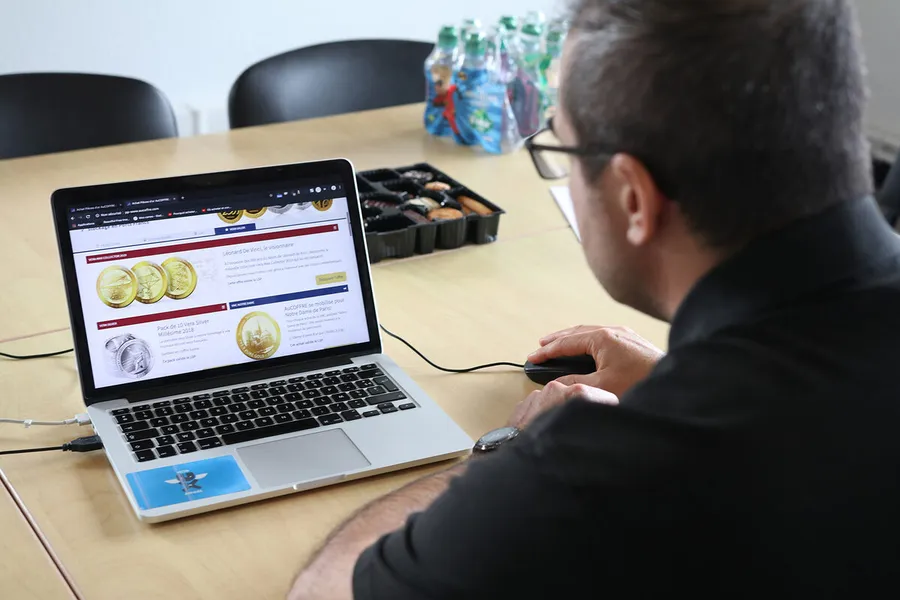
A user test involves having a participant complete a specific scenario, with physical products as much as digital services. Depending on the project's goals, you can run guerrilla tests, table-top user tests, remote usability tests, controlled-environment tests, and so on.
Throughout the test, an observer notes behaviours, whether the scenario's goals are met, the user's comments, and so on. It's also possible to record the testers' interaction sequences with the product.
Involving the end user brings an outside perspective and usage habits closer to reality. The exercise checks understanding issues and how well the product matches the needs.
01
Preparation
To start, the research questions are turned into a research protocol. We define scenarios, the questions to ask, follow-up prompts, and the metrics to analyse (e.g. success rate, the path the user takes, number of attempts, etc.). Then we prepare the materials needed to run the tests (forms, instructions, note-taking document, prototype, etc.). It's very important to run a pilot test during preparation, to make sure the instructions are clear, that the test duration matches the estimate, and that the prototype works correctly.
02
Recruitment
Depending on the constraints and the stakes, the question of dedicated recruitment comes up. When we identify specific criteria, we work with the client, or a specialist partner, to source the right profiles. As a general rule, it's worth planning compensation suited to your users' profile (e.g. consumers vs professionals) and to the time you'd like them to give you.
03
Test session
A user test must run the same way for all your participants. The preparation works to make this consistency easier, by setting a precise thread and instructions written in advance. You can split a test session into four moments: Welcoming the participant. A pivotal moment, putting the user at ease by taking the time to explain what's going to happen and to answer their questions. Running the test. During the session, stay tuned in to participants and don't overlook non-verbal language. Here too, you can record all or part of the sessions depending on the density of information to analyse. Don't hesitate to suggest breaks if the session runs long. Debrief. It's very useful to ask the user for feedback on what they did, saw and felt during the test. These are all elements that can influence what you measure. Wrap-up. Once the test is over, stay attentive: it's sometimes in those off moments that the user shares a really interesting piece of information.
04
The analysis
We recommend taking a short moment after each test to note the few standout points. It can be a specific moment to consider for the analysis, a user quote, a particular reaction. This tip will save you time. Once the tests are done, you go back through the sessions one by one to extract the useful data. The data is usually centralised in a table to lay out all the information. Each step of the test then has its own section in a summary document. For more impact, we usually offer a short summary of the main points observed during the tests.
When you run tests with users, you have to be very rigorous on these aspects. That means respecting the strict GDPR framework and precise processes for managing the data collected. We make sure users are perfectly clear about the goals of our studies and the data being collected. They sign a consent form and are compensated if the request asks more of them than a simple few-minute exchange.
The first distinction in user testing is moderation. A moderated test takes place with an observer present. In an unmoderated test, the user completes tasks on their own. Then there's a whole range of user tests, from the simplest like guerrilla testing (in a busy public place, with no prior recruitment) to the most complex (in lab conditions, with selected profiles, lasting one to three hours). Test sessions can be one-to-one or, possibly, in small groups. You can test just about anything with users: a mobile app, a website, a public service, a journey through a shop, a leisure experience, and so on.
The protocol is the document that describes the motivations for running tests, how things will be tested, the characteristics of the participants, the setup in which the tests are run, the measurements taken, and so on. It's the reference document that should accompany every test campaign.
If the people who designed the service know its every corner, their judgement is naturally biased when it comes to assessing it. Putting your product or digital service in the hands of end users lets you take a real step back and reach what truly works and what blocks.
Recruitment depends on the type of test and the type of profiles to reach. Sometimes we recruit directly within our clients' teams (e.g. testing a business tool), sometimes we go where we know we'll find people (guerrilla test), or we call on specialist panellists.
Those who think they can give an absolute answer aren't quite right. In reality, it depends on quite a few factors. What matters is looking for saturation, the point from which a new participant no longer teaches you anything new. For one-to-one interviews, we work with groups of about ten people. For collective sessions, we cap it at six to eight people to keep the group manageable. For some projects, we've gone up to more than thirty participants too.
Technically, yes. You could imagine plugging an LLM into a database of synthetic personas and simulating an agent that browses your site. Methodologically, no. We know that, as things stand, nothing replaces a human whose behaviour and use of a service you observe! We talk about it in an internal study on synthetic personas.






The research protocol describes the conditions, the resources and how an experiment or test runs, along with the research questions it sets out to answer.
Read more about Experimental protocolSystematic, detailed analysis of an interface (web, mobile, business tool) against a set of criteria, used to surface friction points and produce illustrated recommendations.
Read more about UX auditGuerrilla testing means meeting users in public places to gather spontaneous feedback.
Read more about Guerrilla testingMore or less advanced animation of the screens to present a dynamic journey to users and gather feedback.
Read more about PrototypeEveryone talks about user experience, service design, ergonomics...
It's not always clear, and you'd like to find out, or sharpen what you already know.