





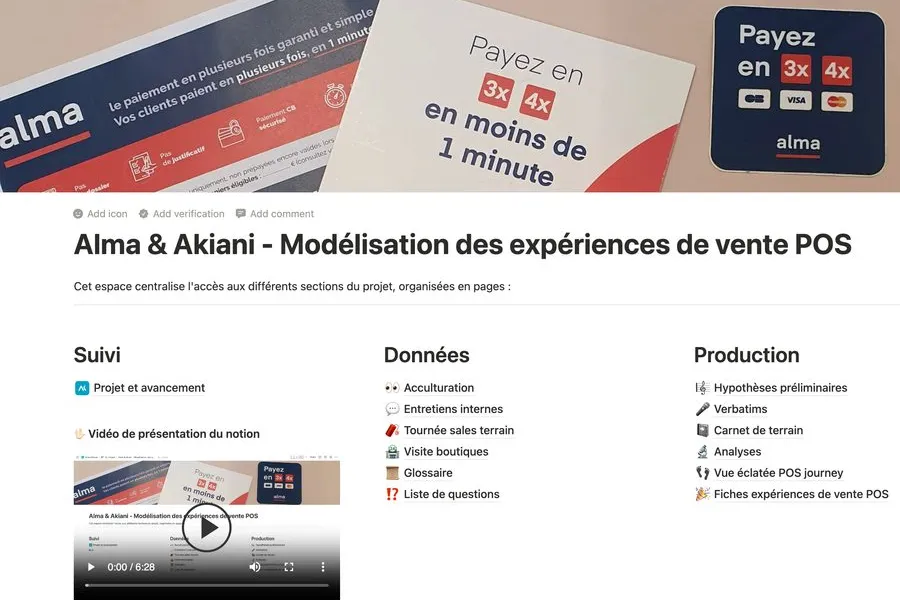
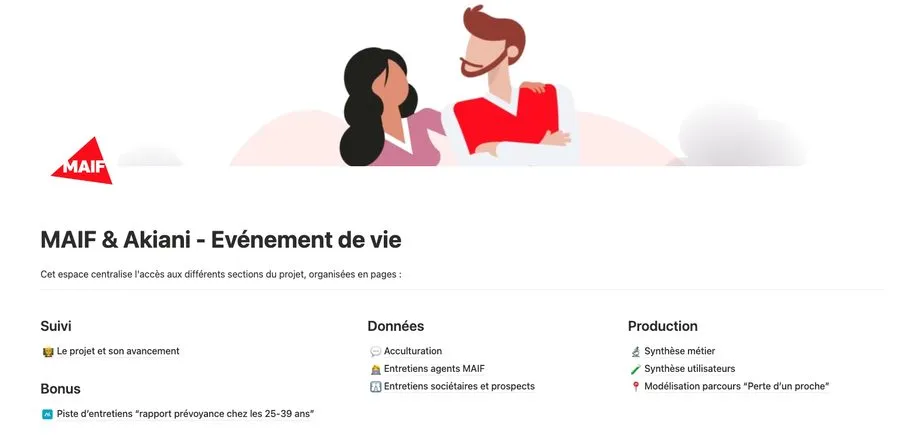
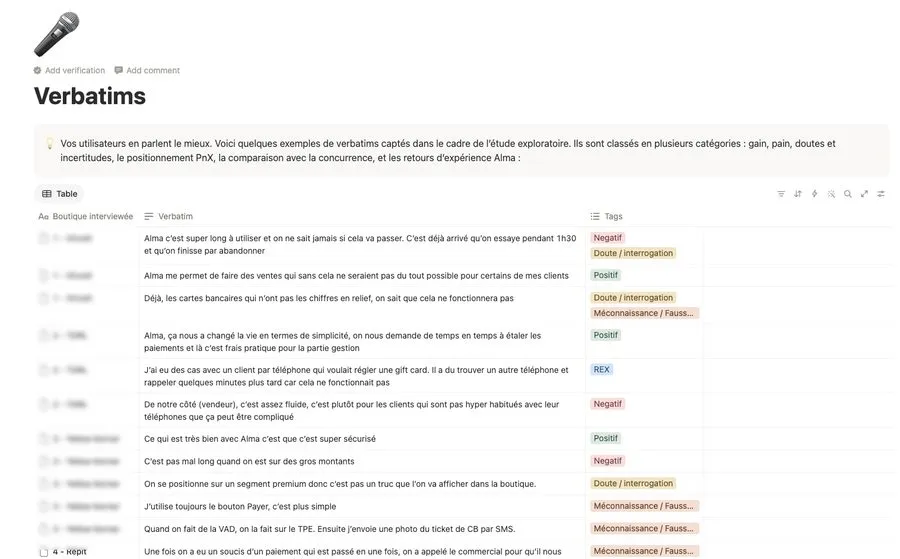
The research repository is the centralised base where the findings from user studies are stored and organised. Beyond storage, the research repository helps the results of research reach a wider audience. A repository is only useful if it manages to fit into the practices of the organisation, which calls for a substantial amount of co-definition and structuring work.
The research repository is the place where research work becomes consultable and reusable.
01
The internal toolbox
descriptions of research methods, tools and templates for carrying out and analysing research.
02
The research roadmap
a roadmap, a schedule with the research method and what is being studied, highlighting the latest results obtained.
03
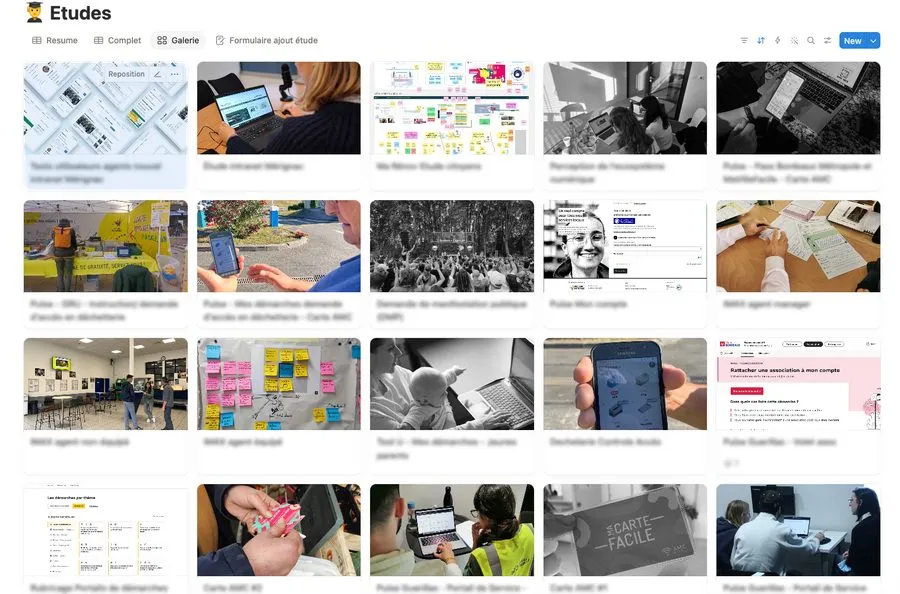
The studies carried out
detailed research plans setting out the objectives, the means used, and what was learned once the study had been presented.
04
The deliverables
the research report, which describes what happened in the study: general themes, detailed conclusions and sometimes recommendations.
05
The insights
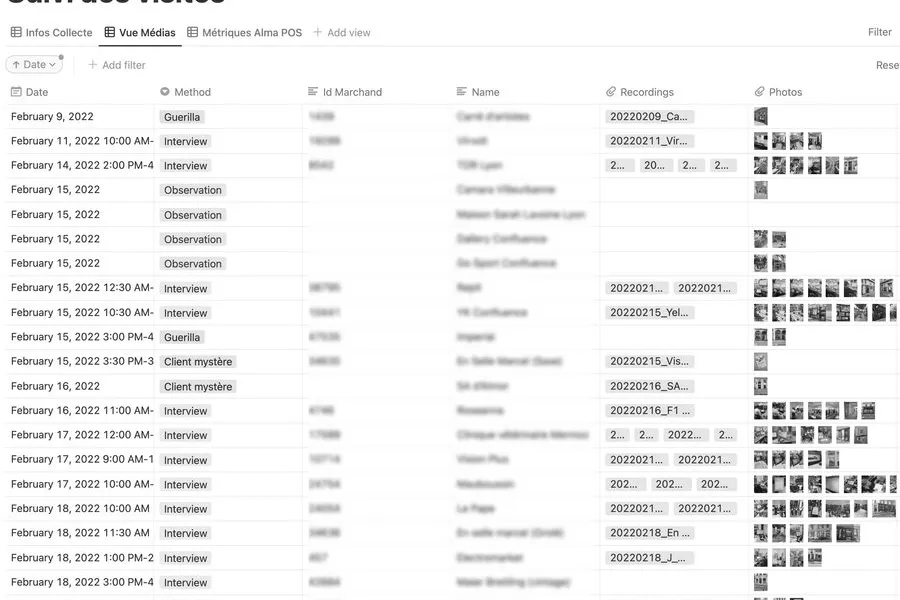
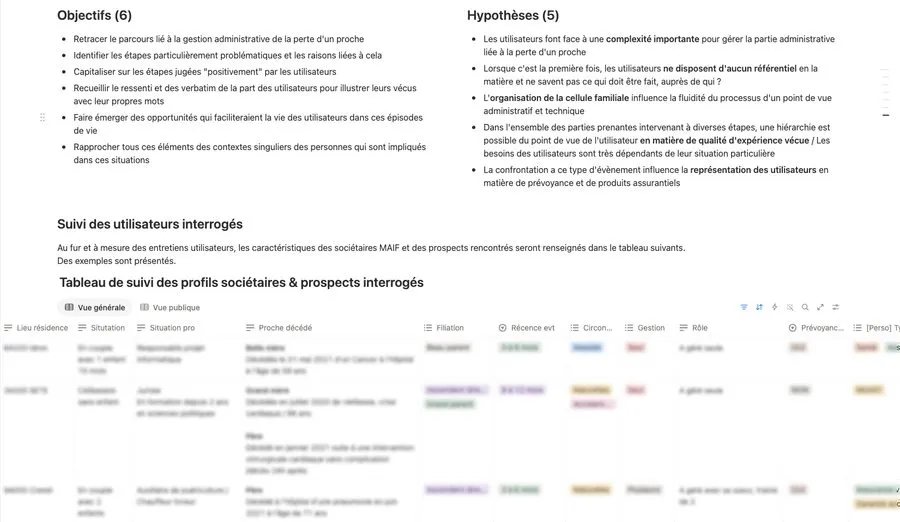
each study produces a small number of observations. By tagging them and linking evidence from one or several studies to them, they become the core of the repository: the atom in the sense of atomic research.
06
The data (not always)
access to recordings and transcripts stored in the repository or, failing that, linked from the repository to raw notes and to the artefacts of the research sessions.
There are as many routes as there are organisational models, but the following steps come up every time.
01
Take stock of all the available material
An organisation almost always has several sources feeding the knowledge it has of its users. The idea is to list them, describing for each one what it is, where it comes from, who manages it, what it is for and what you learn from it.
02
Define the data structure
What is meant here is the structure of the database: are tags needed? Do the people who are going to access it want a full report as a PDF or a list of key results to export? Do they need to know who the users interviewed for a given study are? These questions are settled before starting out, possibly with a small pilot group to make a first pass at the subject.
03
Make the knowledge base accessible
This is the step without which all the previous work is lost. Once the tool has been chosen, dedicated or more generic, it still has to be integrated into the rest of the company's environment: posting a message every time a study is added, requiring a login to reach the content or not, highlighting certain updates during internal rituals. Every occasion is a good one to test the appetite for the tool and see how to keep improving it.
04
Feed it continuously
Adding a step to an already tight project cycle can be a worry, but one of the conditions for a repository to succeed is the freshness of the knowledge it brings. Every new study has to find its way in as quickly as possible. Ideally, its entry was created ahead of the launch with the objectives, the means and so on, and the link to the study is shared with the deliverable and the results once they are available, rather than by email or direct message.
05
Govern the research repository
This is the most important point. The research repository is an internal product: without governance, it will have no lasting existence. Managing the content, administering access, promoting the tool, helping people get to grips with it, all of that takes time and these are necessary conditions for a research repository to be used. A few roles have to be defined, and the functions attached to each role have to be carried out regularly.
If you want to set up a continuous improvement approach that draws on real user feedback, the research repository is the perfect solution. Without that, every user study is siloed and its results are shared very narrowly. You can easily reinvent the wheel, whereas a repository builds on the subjects already studied, and the results obtained.
The research repository is a tool, atomic research is a method for structuring study data. In general, research repositories draw on atomic research. You can perfectly well stick to archiving reports in a basic repository, and that does not require calling on atomic research.
It all starts with a stocktake. Which questions have already been dug into? What results have been obtained? What you would like to share internally. Once you have covered all of that, the question of the format and of the information to highlight comes up. We recommend starting with a small group of people who produce or consume study data, and going step by step. Better an incomplete repository that people consult than a perfectly detailed listing that nobody uses.
Be aware that it is fairly rare for a repository to be open to everyone for writing. What is needed is a submission (and checking) procedure that is as simple and as integrated as possible into the software environment. Any additional barrier would be an excellent excuse to give up. As said above, a repository is a genuine internal product, which requires dedicated governance.


Research Ops organises the practice of UX research within an organisation: methods, tools, recruitment, sharing user knowledge.
Read more about Research OpsAtomic Research breaks your UX studies down into facts, insights and recommendations that can be reused from one project to the next.
Read more about Atomic researchThe research protocol describes the conditions, the resources and how an experiment or test runs, along with the questions it sets out to answer.
Read more about Research protocolDesign Ops optimises the practice of design: tools, processes, handoff, documentation. It lets designers focus on designing rather than on managing.
Read more about Design OpsFigma is the leading collaborative design tool. Design, prototyping, design system and handoff in a SaaS that connects designers, developers and product managers.
Read more about FigmaEveryone talks about user experience, service design, ergonomics...
It's not always clear, and you'd like to find out, or sharpen what you already know.