


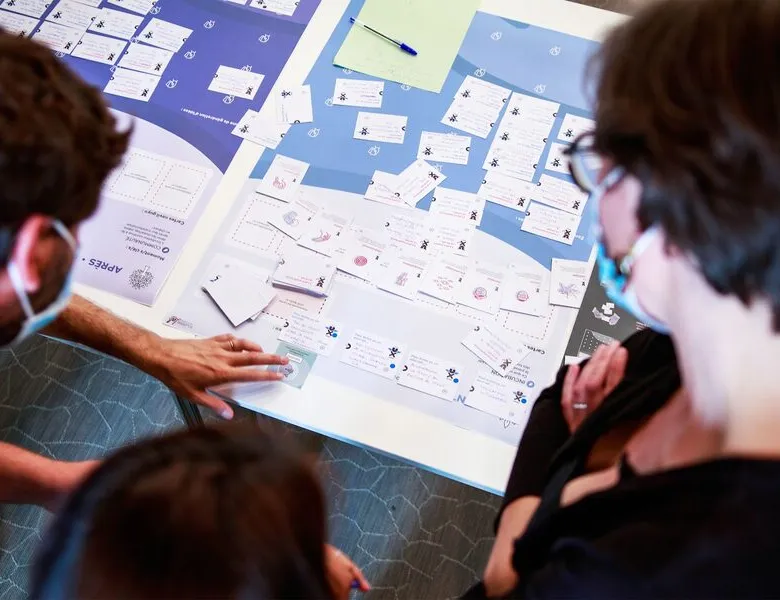


A focus group, or discussion group, is a moment of dialogue led by facilitators where users exchange around a shared theme. A small group (usually 6 to 8 people) is brought together to share their lived experience, their needs and their frustrations on a topic. Compared to one-on-one approaches, the focus group gathers a wider variety of perspectives in a shorter time. On the other hand, a focus group often centres on a predefined topic (the focus itself), which rules out getting very detailed feedback from each participant. What the approach loses in singularity, it gains in collective intelligence: one person's ideas resonate with the others and bring up points they wouldn't have raised on their own. The dynamic is facilitated so that everyone has a chance to contribute and has room to speak.
01
Preparation
Set the goal and the protocol, produce a facilitation guide, define the exercises and the materials needed to gather the data you're after. Depending on the topic, the materials vary: a journey skeleton, inspiration material, visuals to spark reactions in the group, videos, and so on.
02
Recruiting participants
Recruitment criteria matter for this exercise. It's essential to build groups that are homogeneous with respect to the topic being studied. For instance, you'll avoid mixing expert users with beginners.
03
Facilitating the focus group
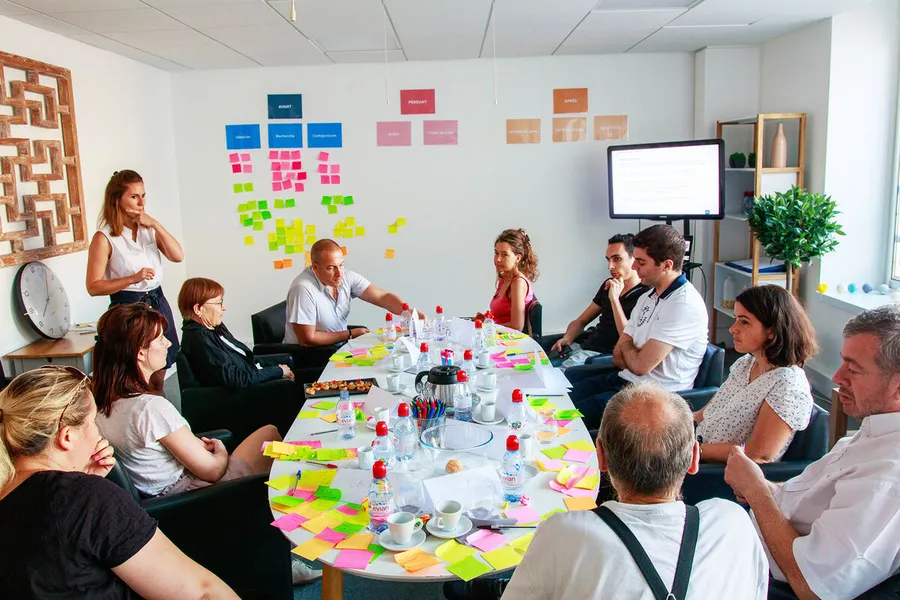
Energisers and ice-breakers are planned to create an atmosphere that supports creative thinking. Individual preparation time alternates with shared time, to allow people to bounce off each other and collaborate. Facilitating a discussion group is demanding. You'll make sure everyone gets airtime by paying attention to participants who might monopolise the floor. Managing time and keeping the discussion focused on the key topics are part of what makes it work. Facilitating in pairs makes it easier to handle both the facilitation and the note-taking.
04
Working with the data
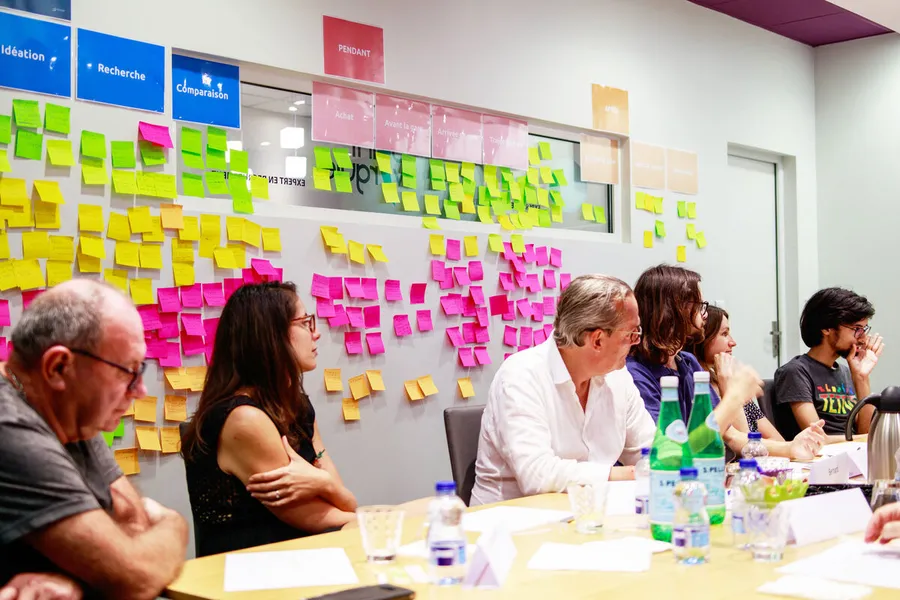
Depending on what the method should deliver, the analysis can take more or less time. Ideally, we make sure the exchanges with participants are captured directly on a shared board. To that end, using a template and displaying boards on the wall to fill in during the session helps with the write-up. Focus group sessions are most often recorded so you can revisit them alongside the notes.
A focus group is a qualitative research method that brings together 6 to 10 participants around a moderator to discuss a specific subject: their perceptions of a product, their habits, their reactions to concepts or prototypes. Unlike the individual interview, the focus group draws on group dynamics: participants react to what others say, which can bring out opinions and nuances that would not appear one-on-one.
The individual interview explores in depth the experience and motivations of a single person, without the influence of the group. The focus group explores collective opinions and shared perceptions, but at the cost of a risk of social conformity: participants tend to rally to the dominant opinion. The interview is better suited to understanding individual behaviours; the focus group to exploring perceptions of a brand, reacting to concepts or identifying collective expectations.
You prepare a moderation guide with open questions organised from the general to the specific. The moderator must manage who speaks (preventing dominant personalities from crushing the others), revive silences and dig into interesting contradictions. Recording the session (with consent) is essential for analysis. Ideally, an observer takes notes in parallel with the moderation to free the moderator from that burden.
Generally, between 3 and 6 groups are enough to reach saturation on a given subject. You organise several groups with different profiles if the target population is heterogeneous. A single focus group is rarely enough: the vagaries of group composition (a very dominant personality, a quiet group) can distort the results if you have no other sessions to compare them with.
To explore perceptions of a brand or a concept before designing anything, to gather reactions to ideas or prototypes in the ideation phase, and to understand the attitudes and beliefs of a group of users towards a field. It is less suited to observing real behaviours (a user test is better for that) or to sensitive subjects where the presence of the group inhibits confidences.
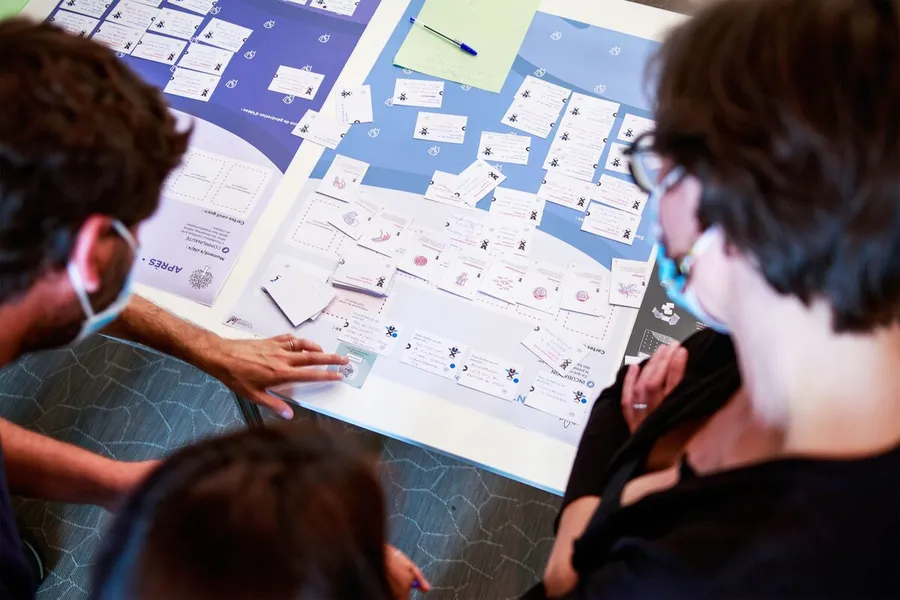
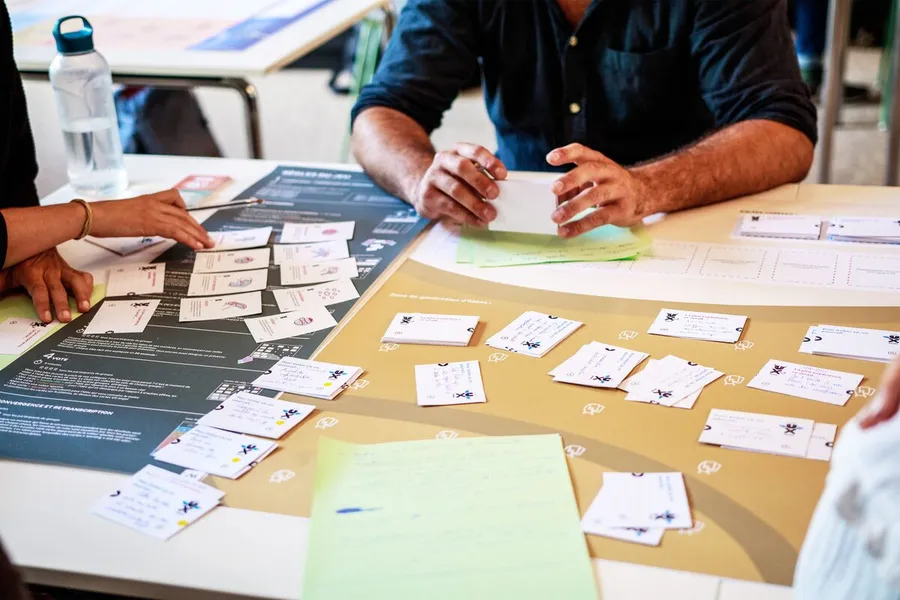
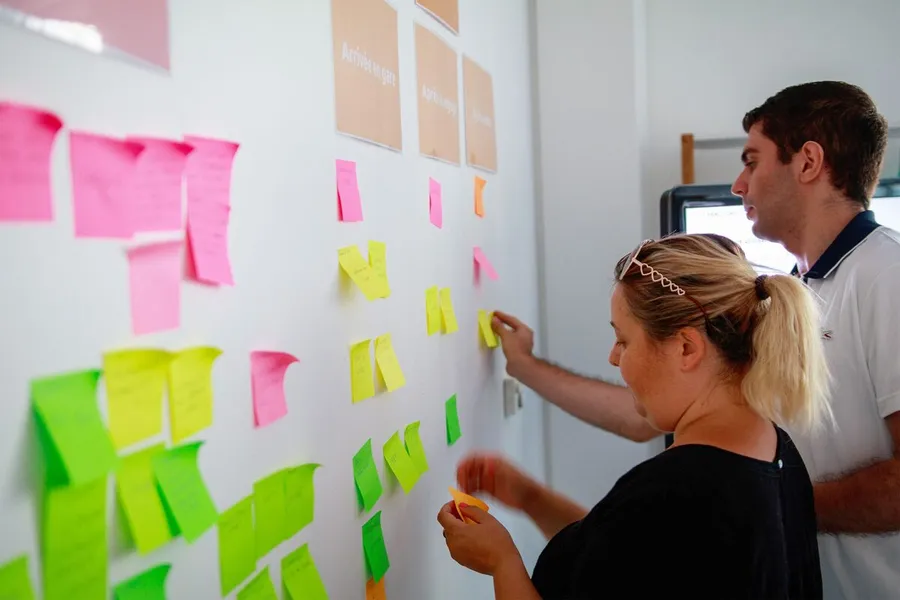


The user journey breaks a process down into steps to surface user needs and expectations, either for a given goal or when interacting with a specific product or service.
Read more about User journeyEveryone talks about user experience, service design, ergonomics...
It's not always clear, and you'd like to find out, or sharpen what you already know.