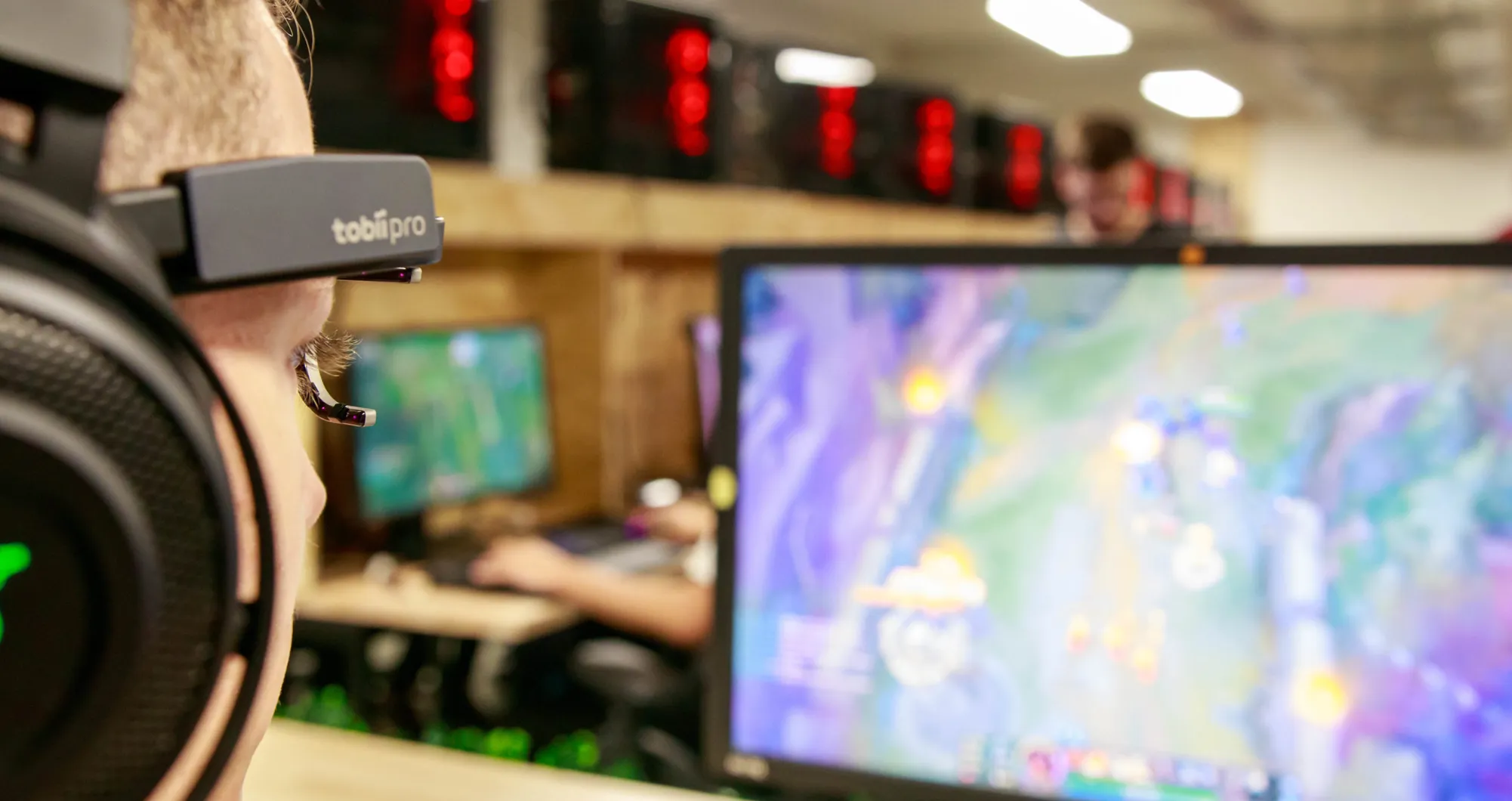
League of Legends: a great playground in esport
A usage-led design agency looking at League of Legends? Yes. The essence of our work is to study the user in their interaction with their environment. And, applied to esports, to understand the levers of player performance in their favourite game.
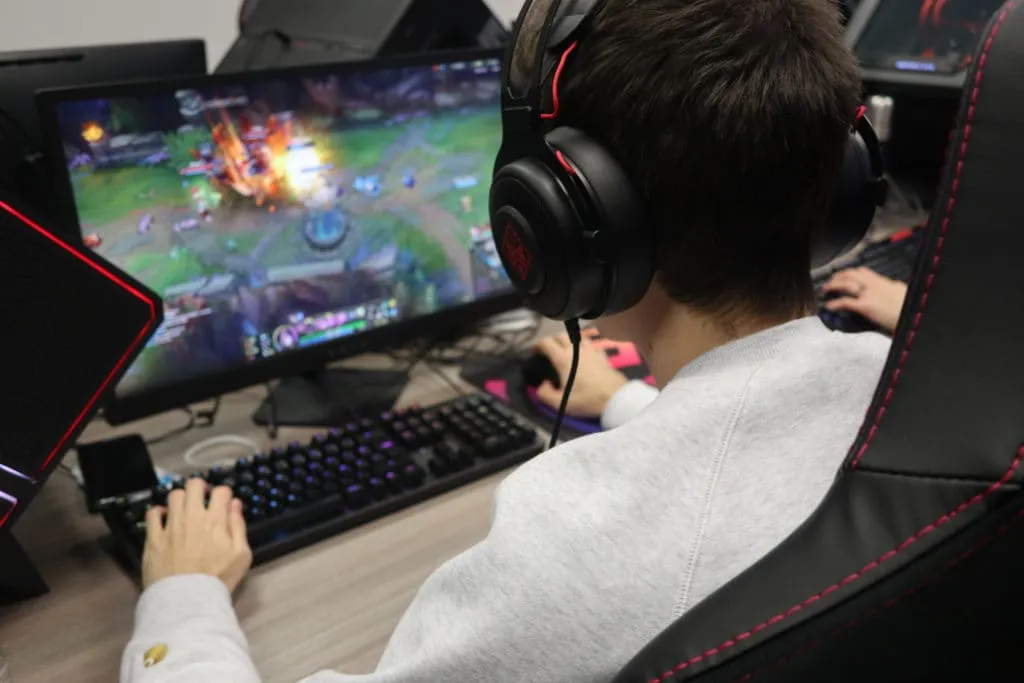
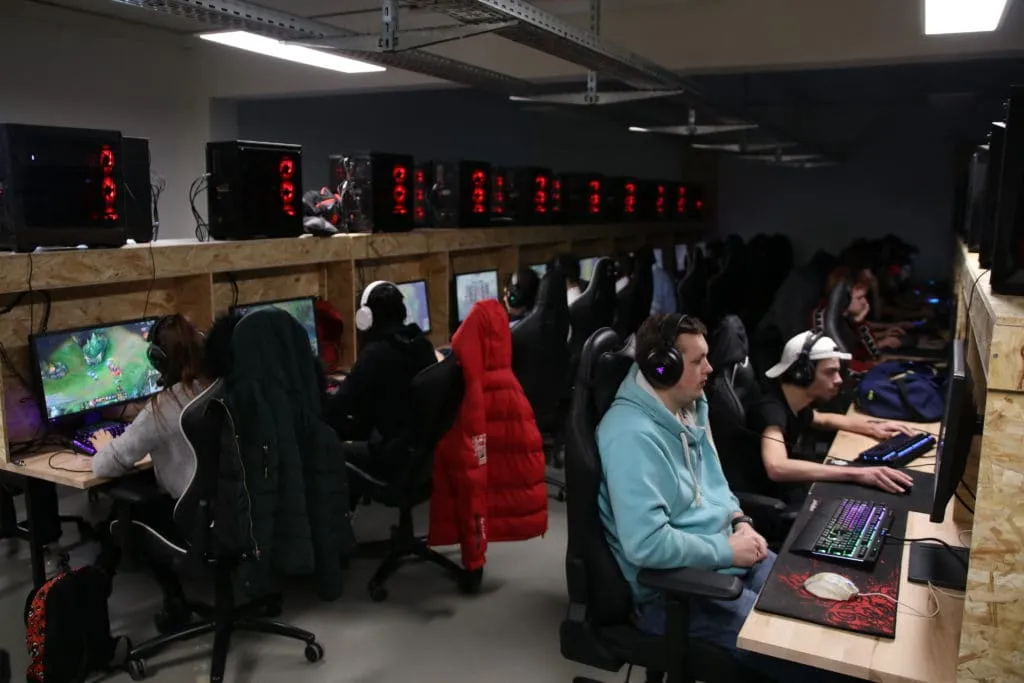
It’s been a year since this project began with an immersion at the Lyon Gaming Academy (opens in new window), with a team of top-level players and their coaches. A week of discussions let us identify one of the issues to optimise in training.
On one side, the players would like to play more, even though they already make compromises in their social lives. On the other side, the coaches insist on proper recovery times, but also on nutrition, on the importance of physical activity and mental preparation, among other factors. Optimising training time therefore matters a lot, to balance the ambitions of the players and their coaches.
Improving performance in our sights
With our competitive players, a major part of training consists in identifying, alone or with their coach, high points and dips to better target training.
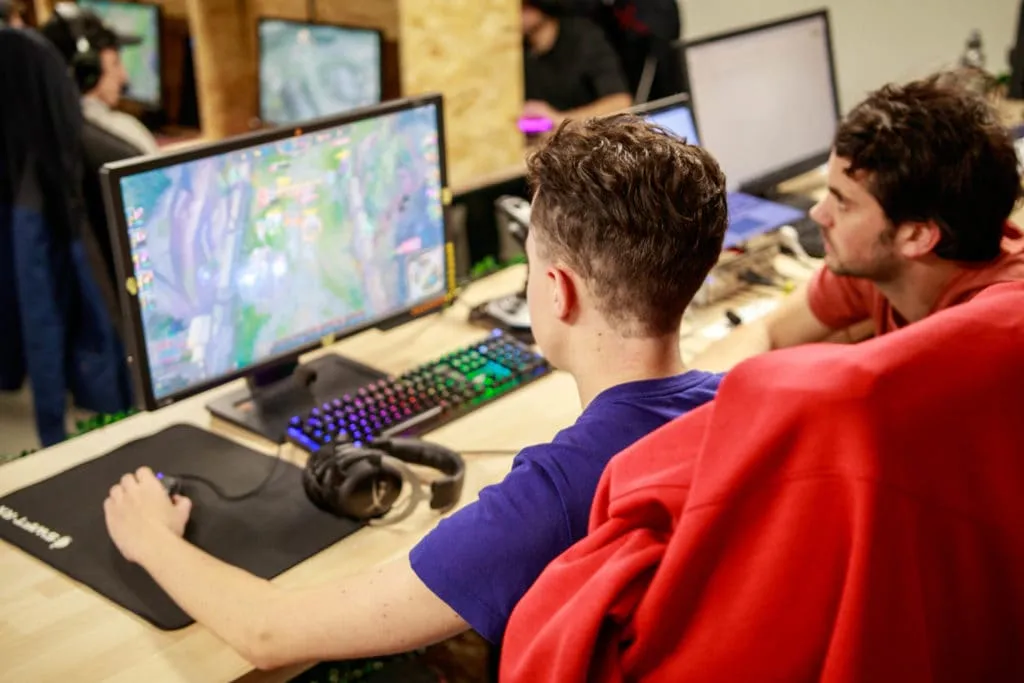
Players report that their weak moments can be spotted at the moment they take a given action instead of a more relevant one, even though they were aware of that alternative, more relevant action.
The “greed” action in League of Legends is a good example. The player systematically collects resources for their character, rather than supporting their teammates in collective actions. Players explain that they feel “pulled” towards that short-term goal. (Note that acting short-term isn’t relevant in this case, although it can be in other situations.)
So a good way to help coaches and players is to identify and objectively measure the cognitive states tied to this behaviour that harms performance. And this is where we step in with both feet: where there’s cognition and objective measurement, there are psychophysiological measures.
Sensors and esport players
Yes, Jamy, physiological signals such as skin sweating (electrodermal activity), heart rate and pupil dilation are known indicators that theoretically allow for detecting cognitive and emotional states in operational situations (Glaholt, 2014; Schachter, S., & Singer 1962; Wilson 2002).**
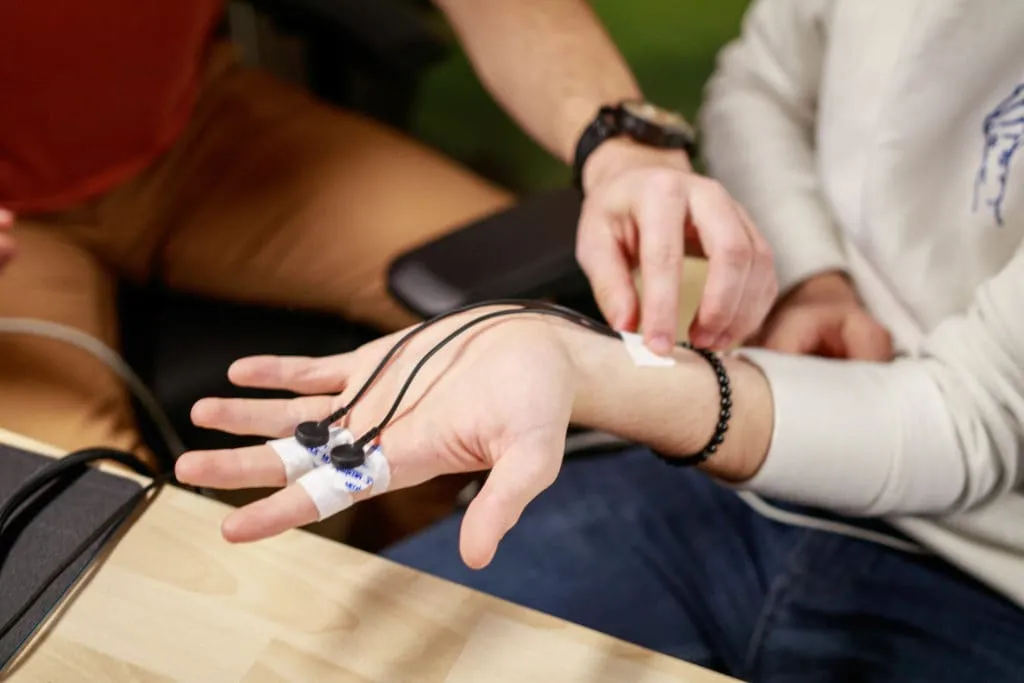
By detecting cognitive states, we mean here the detection of processes covering workload, task engagement, alertness, attention and emotional states.
In short, the idea is to determine which cognitive states relate to the weak moments and, on that basis, to provide information that helps players train better and have better conversations with their coaches.
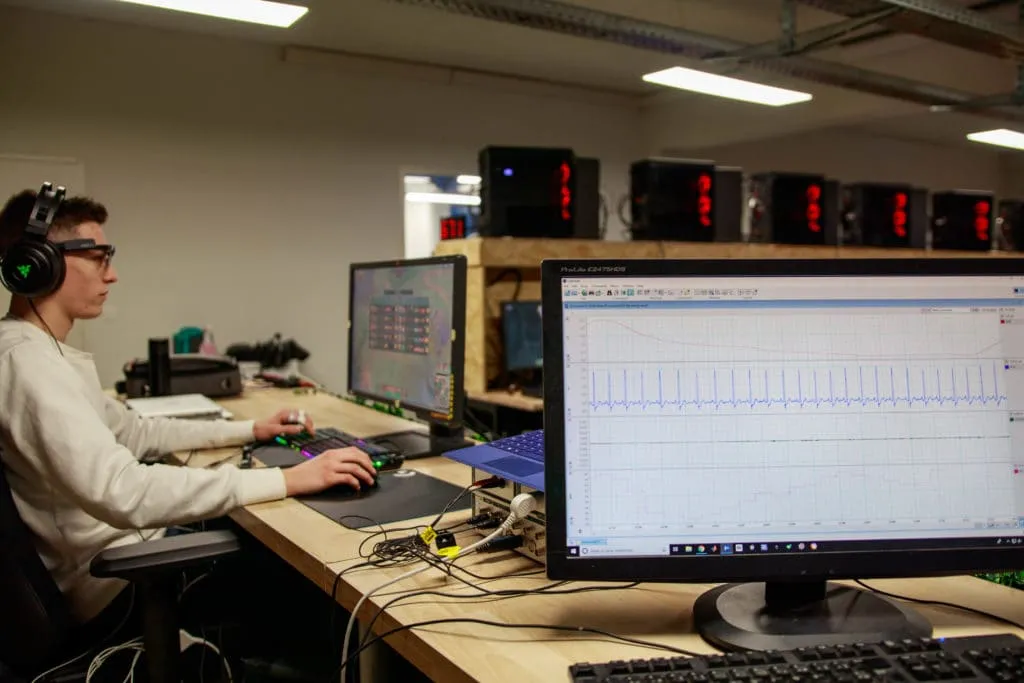
We said “behind the scenes”, not “the whole project” ;)
This first immersion was followed by close to 120 hours of measurements with 38 players from the Bordeaux Education Gaming School (opens in new window). 200 GB of physiological and cognitive data, videos and photos have just come out of the oven. Plenty to work with. If you’re also interested in sport more broadly, we recommend our article on football and the brain.
If you want to know more, don’t hesitate to contact us.
Esport glossary
* Game-launch phrase for every match in League of Legends ** Indeed, these signals are markers of the autonomic nervous system’s activity, whose afferents project towards the limbic structures linked to the cortical areas involved in cognitive and emotional processes (Cacioppo, 2000).